Government issues rare warning of swift enforcement
The UK government has signalled that action against X could come within days, raising the prospect of an unprecedented restriction or ban on the social media platform. The warning follows mounting concern over the spread of abusive artificial intelligence generated imagery on the site, including content that digitally undresses women and children. Ministers described the material as abhorrent and suggested that patience with platform self regulation has run out.
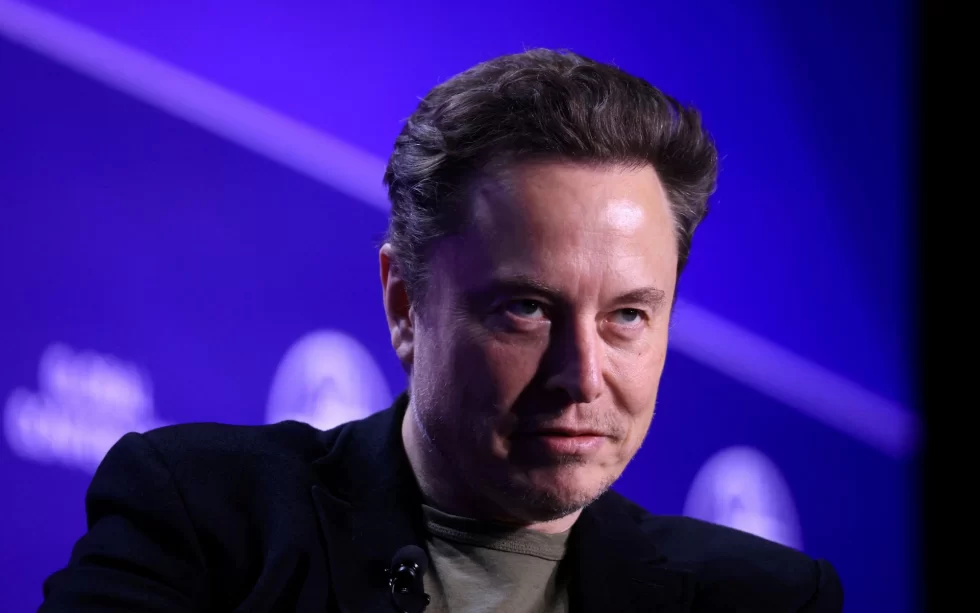
The platform, owned Elon Musk, has recently limited certain reporting and safety features to paying users only, a move critics argue weakens protections at a time when AI misuse is accelerating.
Ofcom placed at the centre of enforcement
Technology Secretary Liz Kendall said the media regulator Ofcom would move quickly and use the full legal powers granted Parliament. Her comments suggested a shift from warnings to enforcement, with timelines measured in days rather than weeks.
Under the UK’s online safety framework, Ofcom has authority to demand changes to platform practices, impose heavy fines, or in extreme cases restrict access. While such powers have existed on paper, they have rarely been tested against a major global platform with tens of millions of users in Britain.
Prime minister leaves all options open
Prime Minister Keir Starmer reinforced the message saying he had asked Ofcom to consider all options, including the possibility of blocking access to X in the UK. Britain has around 20 million users on the platform, making any restriction politically sensitive and technically complex.
Starmer’s comments reflect growing frustration across government that voluntary commitments from platforms are failing to keep pace with emerging harms. Officials argue that AI tools capable of generating realistic sexualised images without consent pose a direct threat to personal safety and dignity, particularly for minors.
AI abuse exposes regulatory fault lines
The controversy centres on the misuse of AI image generation to create non consensual sexual content. Campaigners say such material spreads rapidly and is difficult for victims to remove, compounding psychological harm. When moderation tools or reporting mechanisms are restricted behind paywalls, critics argue the imbalance of power between platforms and users deepens.
X has previously positioned itself as a champion of free expression, often resisting tighter moderation. However, European regulators increasingly draw a distinction between political speech and content that facilitates abuse or exploitation. In this context, AI generated sexual imagery is widely seen as crossing a clear legal and ethical boundary.
A test case for the UK’s online safety regime
Any move against X would be a defining moment for Britain’s approach to platform regulation. Supporters of firm action argue that laws are meaningless without visible enforcement, especially when dealing with companies led powerful global figures. They contend that decisive steps would send a message to the wider tech industry that safety obligations are not optional.
Sceptics warn of unintended consequences, including free speech concerns and the technical challenges of blocking a major platform without disrupting wider internet access. There are also questions about whether enforcement against one platform would create pressure to act similarly against others facing comparable issues.
International implications and industry reaction
The UK’s stance is being closely watched regulators elsewhere. European governments are grappling with similar problems, and coordinated pressure could reshape how platforms deploy and police AI features. For the tech industry, the situation highlights growing regulatory risk around generative AI, especially when safeguards lag behind capability.
X has not indicated whether it will alter its policies in response to the UK’s warnings. If it does not, the coming days could mark a turning point in the relationship between governments and social media platforms operating across borders.
What happens next
Ofcom is expected to outline its next steps shortly. Whether that results in fines, binding orders, or the more drastic option of access restrictions will determine how far the UK is prepared to go to enforce its standards.
The dispute underscores a broader reality of the digital age. As AI tools become more powerful, the cost of inaction rises. For the UK government, confronting X may be less about one platform and more about proving that online safety rules carry real weight.