





Xi Jinping Middle East peace diplomacy push
Xi Jinping Middle East peace messaging has been framed Beijing as a push for diplomacy to calm tensions and limit the risk of wider conflict. Chinese official readouts stress de-escalation, humanitarian protection, and renewed dialogue over military pressure. This approach follows China’s preference for state-to-state engagement and UN-centric language, with ceasefire calls as an urgent step. Chinese officials have also warned against moves that could widen the crisis and complicate negotiations.
A cautious call for ceasefire and talks
According to available reports, China’s Ministry of Foreign Affairs has reiterated the need for a ceasefire and sustained talks to curb Middle East conflicts and protect civilians. Officials argue negotiated outcomes should be prioritized over escalation, urging parties to keep channels open. This aligns with reopening dialogues during disputes, as seen in Lula Trump talks restart amid tariff tensions. The messaging highlights a rules-based approach aligned with international law and UN frameworks. Beijing’s position aims to keep political dialogue viable even as tensions rise.
Xi’s strategic meeting with King Abdullah II
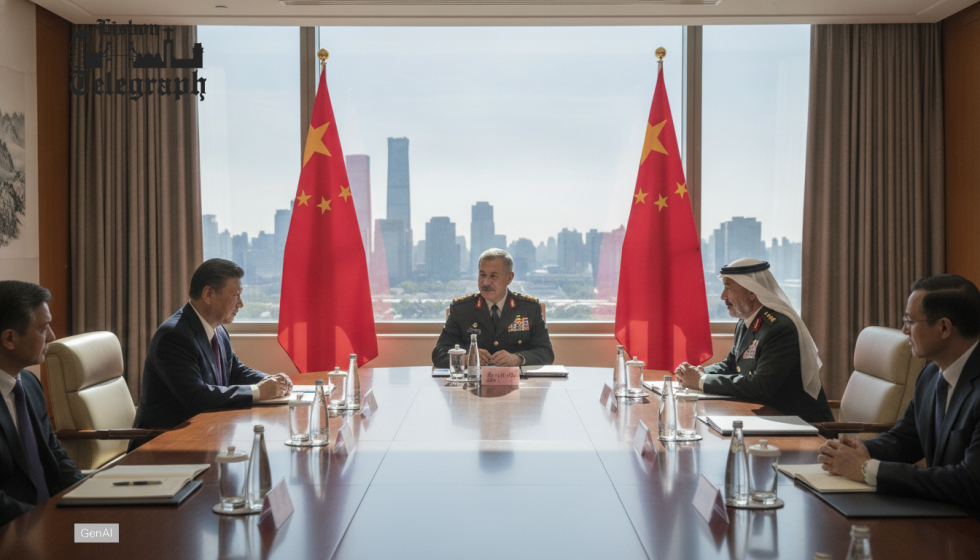
In reported accounts, China’s Ministry of Foreign Affairs noted that discussions with King Abdullah II focused on easing tensions and maintaining communication channels, highlighting humanitarian considerations. As the BBC reported, Israel warned of a forceful response to kites flown from Gaza, reflecting how minor incidents can escalate. For additional perspectives on calls for restraint, consider Pope Leo XIV Calls for Peace in War-Torn Regions. Xi’s comments were framed as support for diplomacy, not coercion.
China’s tentative role in crisis diplomacy
Beijing aims to showcase its ability to contribute to crisis management beyond its immediate neighborhood. Chinese officials claim sustained dialogue with regional states and engagement at the UN can reduce miscalculation and keep diplomatic options open. The Ministry of Foreign Affairs portrays China’s diplomacy as favoring mediation and international frameworks, avoiding language that commits to enforcement. Observers tracking diplomatic pressure points can also examine security risks in Ukrainian airstrikes in Russia reportedly kill three, say officials. The Xi Jinping Middle East peace call is positioned within this process-oriented approach.
Challenges and potential outcomes for Xi’s message
Diplomacy faces constraints as ground events can shift conditions faster than negotiators can react. Chinese officials’ calls for a ceasefire require verification and commitment from parties with differing objectives. Beijing’s approach competes with other initiatives, evaluated its ability to de-escalate rather than just repeat statements—an ongoing challenge for the Xi Jinping Middle East peace stance. The Ministry of Foreign Affairs has urged restraint but hasn’t detailed enforcement tools, leaving implementation to multilateral forums and regional actions. The Xi Jinping Middle East peace stance will likely be tested recurring tensions and the difficulty of turning principles into action.