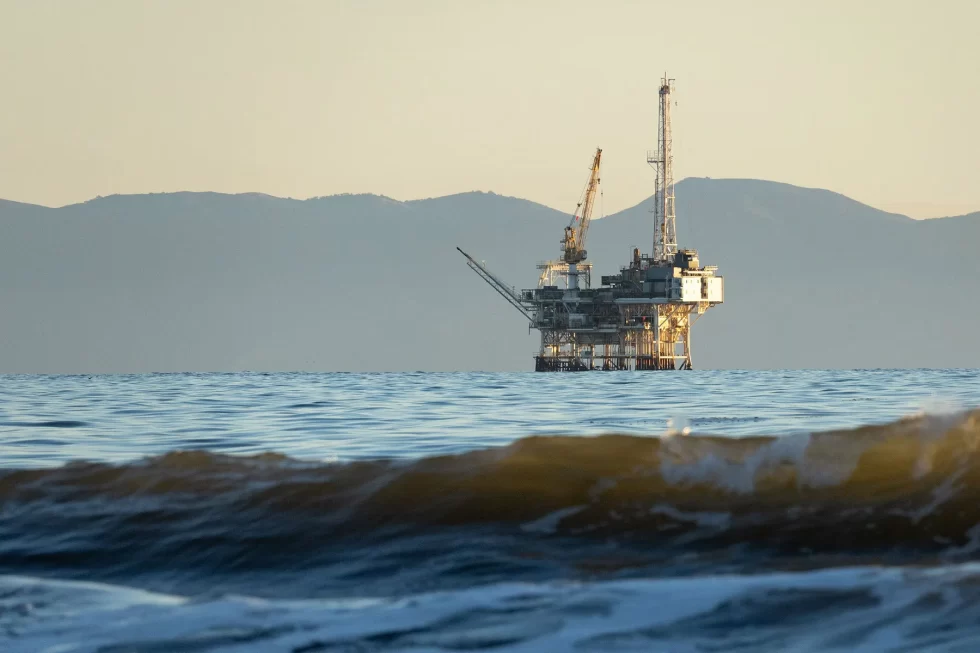
A long delayed project moves back into focus
A long contested energy project in California has taken a decisive step forward after receiving federal approval, reopening a debate that has stretched on for years. Sable Offshore has obtained a key federal authorization allowing it to advance plans linked to a coastal oil pipeline system that has faced strong opposition from environmental groups, local communities, and state regulators.
The decision does not end the controversy, but it does mark a turning point. Federal backing signals that, at least at the national level, regulators believe the project can proceed within existing legal and environmental frameworks. For supporters, the approval represents regulatory clarity. For critics, it raises concerns about environmental risk and the future of fossil fuel infrastructure in a state that has positioned itself as a climate leader.
Understanding the pipeline and its history
The pipeline system in question is located along California’s central coast and has been inactive since a major oil spill several years ago. That incident triggered widespread environmental damage and prompted tighter scrutiny of offshore and coastal energy infrastructure. Since then, the pipeline has remained a symbol of the tension between energy production and environmental protection.
Sable acquired interests in the pipeline and associated offshore assets with the intention of restarting operations. The company argues that modernized safety standards, enhanced monitoring, and federal oversight reduce the likelihood of future incidents. Opponents counter that any restart carries unacceptable risk, particularly in ecologically sensitive coastal areas.
What federal approval actually means
The recent federal decision grants approval under national regulatory authority, clearing a major procedural hurdle. However, it does not automatically guarantee that oil will begin flowing. The project must still navigate additional reviews, including state level permits and potential legal challenges.
California maintains its own environmental standards, which are often more stringent than federal requirements. Agencies at the state level retain significant influence over land use, coastal management, and environmental compliance. As a result, the project’s future will likely depend on how state authorities respond to the federal green light.
Environmental concerns remain central
Environmental organizations have been quick to criticize the approval, arguing that it contradicts California’s climate commitments and exposes coastal ecosystems to renewed risk. The coastline near the pipeline route supports marine life, tourism, and fishing industries that many residents view as incompatible with oil infrastructure.
Critics also point to climate change considerations. Expanding or restarting fossil fuel projects is increasingly seen as inconsistent with long term emissions reduction goals. From this perspective, the pipeline represents not just a local environmental issue but a broader policy contradiction.
Economic and energy security arguments
Supporters of the project emphasize economic and energy security benefits. Restarting the pipeline could support jobs, generate tax revenue, and reduce reliance on imported oil. In an era of global energy volatility, proponents argue that domestic production provides stability and resilience.
Sable has framed its plans as a pragmatic response to ongoing energy demand, rather than a rejection of renewable energy goals. The company maintains that oil will remain part of the energy mix for years to come and that safer domestic infrastructure is preferable to overseas supply chains.
The legal and political road ahead
The federal nod is likely to intensify legal and political battles rather than resolve them. Environmental groups are expected to challenge the decision in court, while state regulators weigh their own authority. Local governments along the coast may also seek to influence outcomes through zoning and permitting processes.
This layered regulatory landscape highlights how energy policy in the United States often unfolds through overlapping jurisdictions. Federal approval can unlock progress, but state and local resistance can still slow or block projects entirely.
A test case for California energy policy
The Sable pipeline decision has implications beyond a single project. It serves as a test of how California balances its climate ambitions with practical energy considerations. The outcome may shape future decisions on aging infrastructure, offshore drilling, and the pace of transition toward cleaner energy sources.
As the debate continues, the pipeline remains a focal point for larger questions about risk, responsibility, and the direction of energy policy in a changing climate.