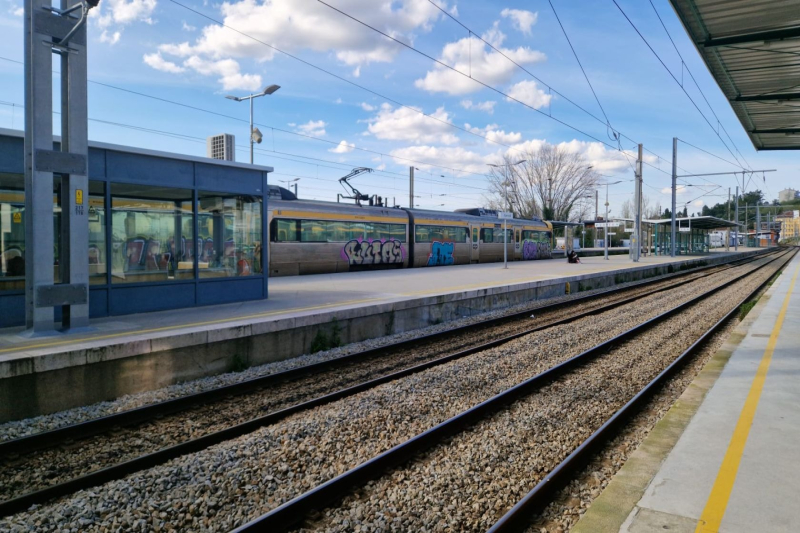
Portugal has announced the largest train procurement in the country’s history as the government moves forward with an ambitious plan to modernize the national rail system. Infrastructure and Housing Minister Miguel Pinto Luz confirmed that nearly 200 new trains will be acquired for the state railway operator CP in a program valued at approximately €1.8 billion. The announcement marks a major milestone in Portugal’s efforts to upgrade aging transport infrastructure and expand rail capacity across the country. Officials say the investment will transform the national rail network while supporting long term mobility needs and improving the quality of public transport services.
The plan was formally highlighted during an event in Aveiro where the government signed an addendum to an existing contract between CP and the Alstom DST consortium. The new agreement includes the purchase of 36 additional trains on top of the 117 units already included in the base contract signed in October. According to the government, the expansion of the order reflects the administration’s ambition to significantly strengthen the national rail fleet and ensure that Portugal’s rail operator can meet growing passenger demand in the coming years. The minister described the moment as a historic step that demonstrates a broader transformation in the management and strategic direction of CP.
Between 2025 and 2031 the country is expected to receive new rolling stock every year as part of the long term delivery schedule. In total more than 190 trains will enter service during that period, representing the renewal of over forty percent of the entire CP fleet. Government officials say the modernization effort is long overdue, noting that the national railway operator had not received any new trains for more than two decades. The average age of CP’s existing fleet currently exceeds forty years, a situation that authorities believe has limited service efficiency and constrained the expansion of rail operations across the country.
The government argues that expanding the rail fleet is essential to meet the growing mobility demands of Portugal’s population. Minister Miguel Pinto Luz stressed that the country urgently requires additional trains to strengthen regional and urban connectivity while improving the reliability of public transportation. CP transported more than 200 million passengers during 2025, highlighting the scale of demand for rail travel across Portugal. Authorities believe that modern trains and expanded services will help accommodate rising passenger numbers while supporting economic development and reducing pressure on road transport systems.
A significant portion of the investment will focus on strengthening regional and urban rail services. CP plans to acquire 153 trains under the main contract including 55 units for regional routes and 98 trains dedicated to urban transport networks. The value of these trains is estimated at around €1.064 billion and will help modernize services across multiple regions of the country. In addition to improving passenger comfort and reliability, the new rolling stock is expected to increase operational capacity and reduce delays that have historically affected some routes.
The train procurement program will also generate economic benefits beyond the transport sector. The contract includes plans to establish a new production workshop in Matosinhos where part of the train manufacturing process will take place. The facility is expected to create around 300 direct jobs while strengthening Portugal’s industrial capacity within the rail sector. The first trains are scheduled to begin arriving in Portugal in 2029 with deliveries continuing through the early years of the next decade as the fleet renewal program progresses.
Alongside the regional and urban train purchases the government has also approved the acquisition of high speed rail units as Portugal prepares for future expansion of its rail network. CP has been authorized to purchase 12 high speed trains with the option to add eight more depending on demand and infrastructure development. The high speed component of the program represents an investment of approximately €584 million and forms part of broader efforts to modernize Portugal’s rail transport system while preparing for future connections with international high speed corridors across Europe.