Ukrainian Claims Against Israel Detailed
Kyiv sharpened its public criticism Today after Ukrainian officials said cargoes of grain taken from occupied territories had entered commercial channels bound for Israel. The Foreign Ministry framed the Ukraine grain accusation as a matter of property rights and wartime accountability, and said it was compiling shipment identifiers and port documentation for partners. An Update from Ukrainian diplomatic channels said the allegations cover multiple consignments and are being shared with customs and maritime authorities. Officials also said they want the issue handled through verifiable paperwork rather than political statements, while Live monitoring of export flows continues through government analysts. Kyiv requested that Israeli importers and regulators preserve documents that could clarify routes and ownership.
Israel’s Response to the Allegations
Israeli officials responded Today emphasizing that import controls are designed to follow legal contracts and internationally recognized documentation for agricultural commodities. A government statement said any claim involving Israel grain imports would be assessed through established regulatory channels, including customs declarations and certificates presented sellers. In a Live briefing carried domestic media, officials said Israel would review information provided Ukraine and contact relevant firms where needed. In a separate Update, Israeli representatives stressed they do not accept goods known to be unlawfully seized, and they pointed to internal compliance processes used major food and feed buyers, while Pope Sends New Humanitarian Aid Convoy was cited faith leaders as evidence that civilian needs remain central alongside trade scrutiny. To place the dispute in a wider humanitarian context, faith leaders said civilian needs remain central alongside trade scrutiny.
Background of Grain Shipments Dispute
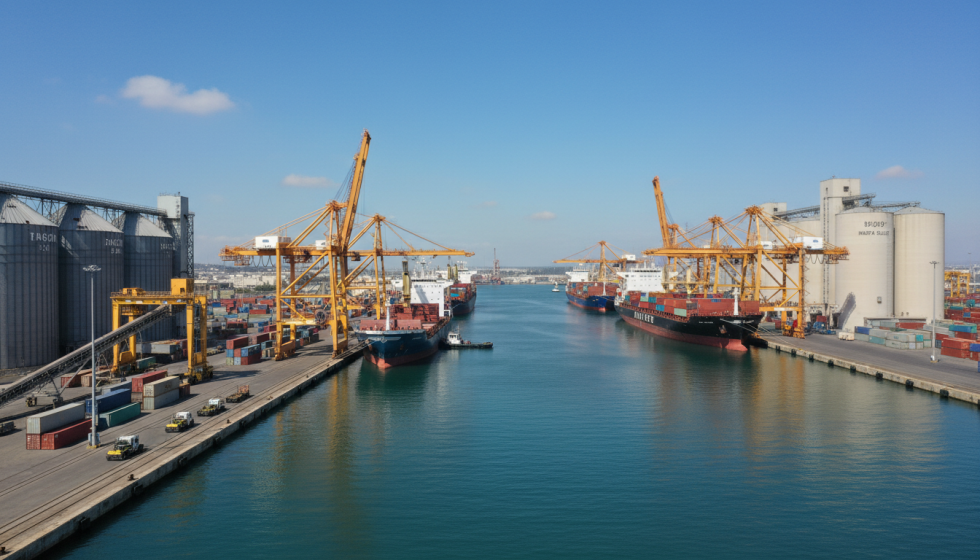
The current dispute is rooted in documentation battles over Russian shipments moving through Black Sea and Mediterranean logistics chains, where ownership and origin can become obscured intermediaries. Ukrainian authorities said Today they are mapping vessel histories, bills of lading, and company links to establish whether specific lots originated from Ukrainian farms in occupied areas. An Update shared Ukrainian officials said they are coordinating with partner governments to compare customs codes and phytosanitary certificates across ports, and the BBC has tracked conflict related disruptions in separate coverage, including BBC reporting on strikes and evacuations tied to Russian infrastructure. Live analysis inside Ukraine argues that tracing consignments quickly is essential to prevent resale into normal food supply chains.
International Reactions to the Accusation
Diplomats across Europe and the eastern Mediterranean have treated the Ukraine grain accusation as a test of how allies verify commodity origin during conflict. Ukrainian officials said Today they are briefing embassies on the evidentiary package, including ship movements and commercial counterparties, and they want partners to encourage thorough due diligence importers. In an Update to journalists, they argued that a consistent approach would deter laundering of disputed goods through third countries, and Live attention has also intersected with wider cultural debate on relations with Israel, as seen in Portuguese Artists Join International Call for Eurovision Boycott Over Israel Participation Debate, which highlights how trade and politics often collide. Officials in Kyiv said they prefer technical verification steps over public escalation, but they will keep raising the issue in multilateral forums if documentation supports their claim.
Potential Implications for Trade Relations
If the allegations are substantiated, the immediate impact could fall on contracting practices, with buyers demanding stronger origin proofs and insurers revisiting risk pricing for cargos associated with contested routes. Officials in Kyiv said Today they may seek remedies through diplomatic channels and commercial claims mechanisms, aiming to deter repeat transactions rather than disrupt food markets. An Update from Ukrainian representatives suggested the dispute could widen into an international trade dispute if governments conclude that controls were insufficient, particularly where re export chains and brokers are involved, with routing scrutiny focused on Black Sea corridors. Live scrutiny may also influence how companies screen counterparties, including checks on vessel ownership and prior port calls. Israeli regulators, for their part, signaled they will focus on verifiable paperwork and legal thresholds. Both sides indicated that decisions will be driven documentation and enforcement capacity, not rhetoric, as the case moves forward.