Islamist Group Escalates Tension in Mali
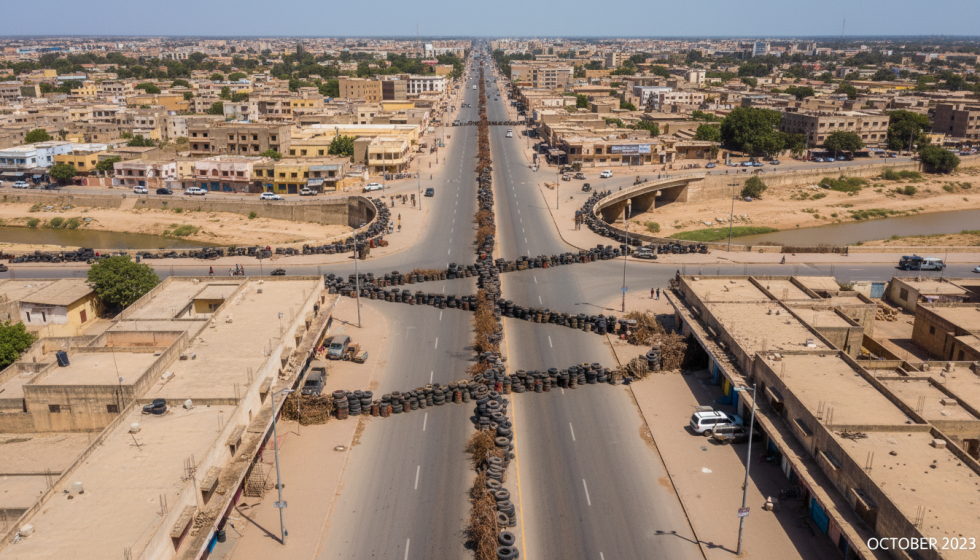
Road access to Mali capital is narrowing as armed fighters expand checkpoints and intimidate drivers on key routes into Bamako. Reuters described travelers pleading to get home as buses were turned back and cargo firms paused departures, and the same account said the blockade pressure has intensified in recent days. In the middle of this rolling disruption, the Mali Islamist blockade has become a practical test of whether commerce can move without negotiated passage. Today, transport unions and depot managers are reporting shorter booking lists and longer waits as vehicles sit idle. Live monitoring local radio stations has focused on where vehicles can still pass. The situation is tightening the hour, and residents are bracing for more restrictions.
Impact on Civilians and Local Economy
Fuel queues and rising food prices are becoming the clearest signal that the Mali capital is being squeezed beyond the front lines. Reuters said motorists in Bamako reported shortages and growing anxiety, while traders described delayed deliveries from regional hubs that usually supply markets. A UN perspective on broader Sahel instability is outlined in UN News on Sahel violent extremism solutions, which frames how security shocks quickly spill into livelihoods. Today, shopkeepers are cutting orders to avoid losses, and families are prioritising essentials. Live conditions on main supply roads are changing quickly, so transporters are charging risk premiums. For readers tracking how political unrest echoes across borders, Pope Leo XIV reflects on Africa trip and peace captures wider calls for de escalation. Another Update from market associations is expected as stocks thin.
Responses from Malian Government
Malian authorities have focused on restoring access and deterring further obstruction, while avoiding claims they cannot substantiate in public. Reuters said security forces have been deployed to protect certain corridors and that officials have urged calm as the standoff disrupts movement. In parallel, administrative services in Bamako are revising work schedules and routing public deliveries through safer hours, according to statements carried local broadcasters cited Reuters. Live reporting from the capital has shown sporadic traffic as drivers test which arteries remain usable. For a separate look at how pressure points shape wider security planning, Brent oil jumps as Iran blockade risks expand fast offers context on how blockades ripple through supply and pricing. Today, officials are also pressing for cooperation from local leaders to discourage armed harassment of civilians. The next Update is expected after security briefings conclude.
International Reactions and Aid Efforts
Diplomats and humanitarian agencies are watching the blockage around Bamako because it can quickly cut off medical supplies and raise displacement risks. The UN has repeatedly urged coordinated approaches to curb violent extremism across the Sahel, and UN News has warned that insecurity and access constraints can undermine aid delivery in the region. Today, relief planners are recalculating transport times and considering alternative staging points outside the most exposed routes, while insisting on the protection of civilians as a baseline. Live security notes shared with partner organisations focus on convoy timing, communications, and verified safe passages rather than speculation. Foreign missions are also advising their nationals to avoid overland travel until routes stabilise, as cited Reuters in its ongoing coverage. A further Update from aid coordinators is expected as access negotiations progress.
Historical Context of Mali’s Political Struggles
The latest pressure on Bamako is unfolding against years of repeated shocks, including armed insurgency, contested governance, and shifting security partnerships, which together have eroded trust in normal travel and trade. Reuters has documented how an Islamist group has expanded influence in parts of Mali over time, using road control and intimidation as leverage even when not holding major cities. In this cycle, the Mali Islamist blockade functions less like a single event and more like a tactic that can be tightened or relaxed to shape political calculations. Today, residents who remember earlier disruptions are comparing notes on which routes are most vulnerable and how quickly prices moved last time, including comparisons to supply squeezes that followed the August 2020 coup period. Live commentary from civic groups in Bamako is stressing community restraint to prevent further violence. The next Update will hinge on whether access can be restored without broader escalation.