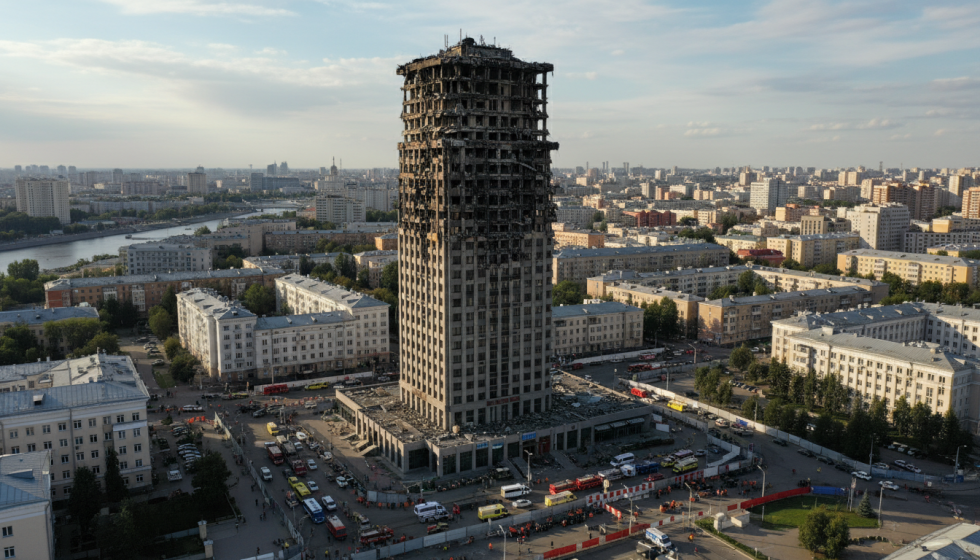
Drone Strike Shakes Up Moscow
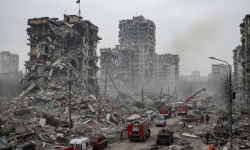
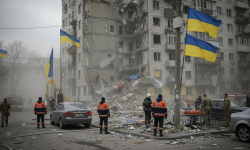
In the western parts of Moscow, residents were jolted awake loud blasts, followed the unmistakable sound of shattering glass as a drone strike zeroed in on an upscale high-rise, just hours before the grand state events. The BBC labelled it a Ukrainian drone attack, which left the building damaged and responders scrambling. Russian officials claimed their air defences went into action but did not reveal any confirmed casualties. Footage from local broadcasters displayed debris littering the facade, while the city’s mayor reassured the public that services were attending to the chaos. Security cordons and inspections sprung up around nearroads and courtyards like mushrooms after rain.
Victory Day Under Threat
Talk about bad timing: the strike happened just as Moscow prepared for its big Victory Day celebrations, intensifying security measures across the capital. Officials kept bleating on about keeping public events going without a hitch, but police and private security were clearly sweating under the pressure. The BBC noted an uptick in checks, with transport hubs and main routes facing aggressive monitoring, leaving residents fuming over longer waits at checkpoints. Surprisingly, a security update somehow appeared alongside news about Bitcoin ETF outflows and market momentum. It’s mad how major stories can cross-pollinate amidst Moscow’s tightening grip on security. There were no new attendance figures announced for the commemorative events going on.
Kremlin’s Spin on the Attack
The Kremlin was quick to frame this drone strike as just another chapter in the ongoing saga of Ukrainian drone attacks aimed at Russia, emphasising their layered air defence systems and the need for further investigations. The BBC called attention to how Russian officials tossed around terms like ongoing criminal inquiries linked to strikes on civilian targets. A statement from Moscow’s city leadership looked more at immediate operational responses rather than making political hay. To make matters worse, Russian state television showcased emergency crews working hard, while also cautioning against filming near secured areas. For some perspective on how Moscow’s institutions are handling scrutiny, see the coverage of Venice Biennale jury resignations as Russia returns. Strangely enough, no technical details about the drone were shared.
Global Reactions Pour In
Foreign governments largely sidestepped operational specifics, yet various officials took the liberty to stress the risks of escalation and the necessity of civilian protection. The BBC’s reporting on the high-rise incident delivered one of the most coherent accounts to date, weaving together official Russian statements with a straightforward damage summary. For a broader scope on how European leaders are trying to balance diplomacy while keeping an eye on Moscow, check the BBC’s coverage of European leaders converging on Armenia as Russia looks on. Live diplomatic reactions from European capitals were fixated on aid, sanctions updates, and air defence support rather than the drone strike itself. An update from international organisations focused on verified details and stayed clear of casualty figures, since Moscow had yet to issue a thorough incident assessment.
What’s Next for Ukraine-Russia Relations?
The immediate fallout points to tighter security measures in Russia’s capital, while both Ukraine and Russia cling to their hardline stances on cross-border strikes and retaliatory actions. Analysts are keeping a close eye on how these Ukrainian drone attacks could change operational strategies, but the real impact depends on what governments choose to disclose and what can actually be verified. Today’s pressing question for officials? How to shield densely populated urban areas without throwing a spanner in the works of daily logistics, especially during those big symbolic dates in Moscow. Live updates on air defence alerts and airport operations are becoming critical indicators of risk management, while diplomatic channels will need some real statements from ministries rather than just the usual fluff. With a lack of crucial technical data emerging, the short-term impact is really all about security posture and public confidence, rather than any signs of negotiated resolution.