Current Ebola Situation in Central Africa
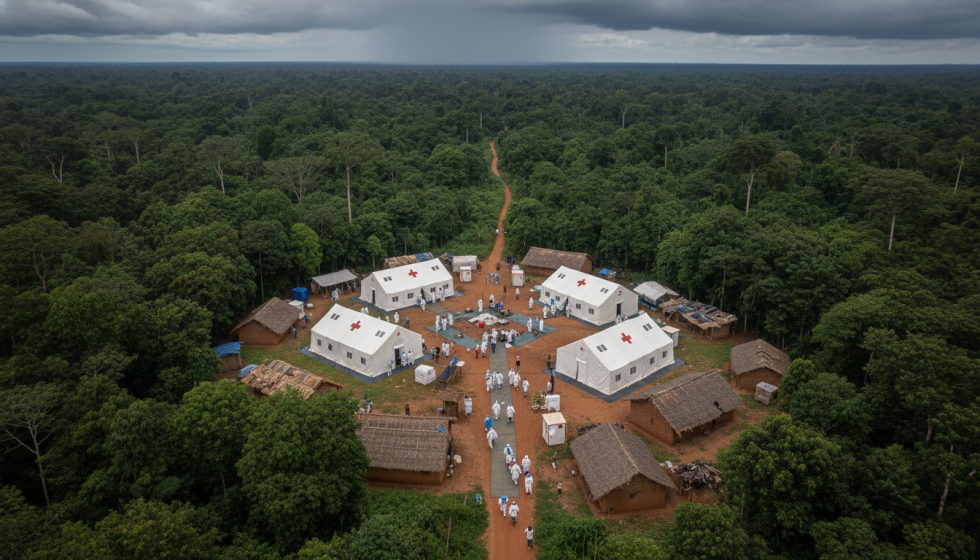
Health officials in central Africa are tracking a fast moving cluster of Ebola infections across border areas, with clinics reporting new alerts daily. Today, surveillance teams are prioritizing case finding and safe referrals as contacts shift between remote villages and trading posts, and the ebola outbreak 2026 is being treated as a test of fragile health systems already strained insecurity and displacement. The UN News service reported in May 2026 that the DRC outbreak involved hundreds of suspected cases and that access and supplies were constraining the response. Live reporting from provincial capitals has focused on whether early signals underestimated transmission chains.
WHO’s Response and Warning
The World Health Organization has warned that transmission may be faster than first assessed, urging tighter coordination among national and local teams. Today, incident managers are pushing for rapid diagnostics, safer transport, and clearer public messaging to counter fear and rumors, and an Update shared through UN News coverage of the health emergency declaration noted the escalation of international concern and the need for sustained resources. Live situation calls also stress consistent reporting from community health workers and immediate isolation of probable cases when laboratory confirmation is delayed. WHO doctors have emphasized that delays in detection can quickly widen exposure networks.
Challenges in Containing the Outbreak
Containment efforts face acute operational barriers, including insecurity on key roads, intermittent communications, and shortages of protective equipment in some facilities. An Update from humanitarian partners has highlighted how hunger and displacement complicate tracing, because families may relocate without notice or seek care across administrative lines, and the DRC has also faced gaps in vaccine availability for this episode, according to UN News reporting on suspected cases and vaccine constraints, increasing reliance on basic infection prevention and control. In a separate media context, Pope Leo XIV urges truthful communication in media has been cited aid groups as a reminder to avoid misinformation during health crises. Live field teams say safe burials and trusted local messengers remain central tools.
Impact on Local Communities
In affected districts, the congo ebola outbreak 2026 is disrupting daily commerce, schooling, and routine care, as families weigh travel against the risk of quarantine or stigma. Today, community leaders are negotiating how to keep markets functioning while encouraging early reporting of symptoms to health posts, and for context on the changing toll, Lisbon Telegraph has tracked developments in DR Congo Ebola outbreak: deaths pass 100 mark, citing official briefings as they emerge. Local clinicians have warned that fear can delay treatment for malaria, childbirth complications, and chronic illness, raising preventable deaths even where Ebola numbers are still being verified. Live outreach programs are also adapting languages and formats to reach displaced families and informal miners.
Global Implications and Support Initiatives
Beyond the region, governments and donors are monitoring travel corridors and laboratory capacity as the ebola virus outbreak 2026 prompts heightened preparedness planning. Health agencies say the immediate priority is to stop exportation risk supporting screening, data sharing, and surge staffing near high mobility zones, and analysts following the drc ebola outbreak 2026 note that regional trust and transparent reporting will influence whether resources arrive fast enough to break transmission. Today, several partners are aligning logistics so that treatment units can be supplied without exposing drivers and warehouse staff. Live coordination between humanitarian agencies and public health authorities is also shaping how an ebola outbreak 2026 map is updated for responders, with verified locations released only when they will not endanger teams or communities.