Drone Tactics Escalate in Russia-Ukraine War
Air defences around Russia’s capital faced renewed pressure as unmanned aircraft operations intensified in the Russia-Ukraine conflict. Today, officials and residents described a tense rhythm of alerts, interceptions, and debris checks across multiple districts. In the middle of the day’s coverage, the ukrainian drone attack on russia became a central reference point for how quickly tactics are evolving on both sides. Live monitoring channels tracked temporary restrictions at transport nodes and the knock on effects for local services, while emergency teams assessed damage patterns. An official Update from municipal authorities stressed safety guidance for civilians and reiterated that investigators were documenting impact sites for forensic review. The incidents kept security services on high readiness across the region.
Details of the Recent Moscow Region Strike
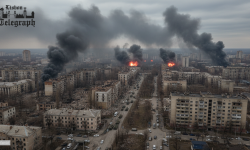
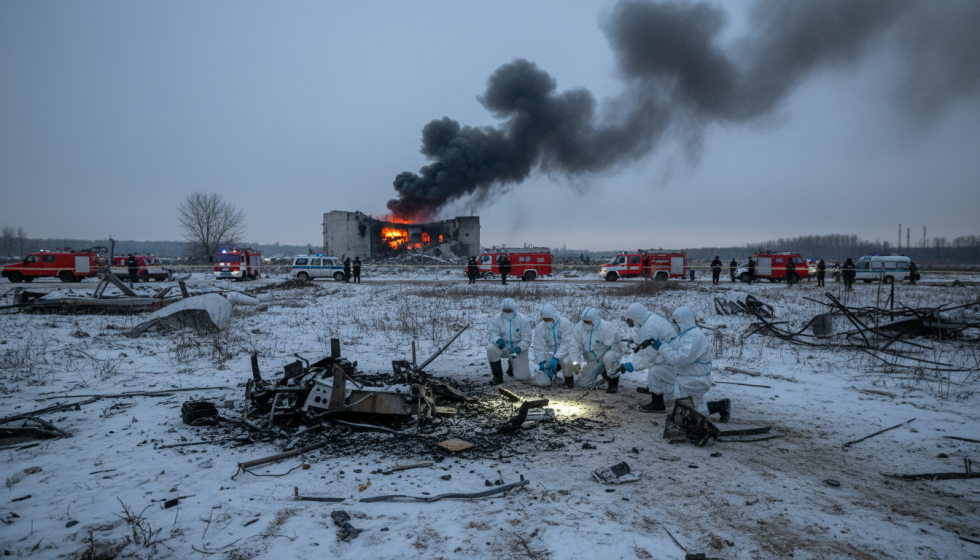
Russia’s authorities said the latest incident centred on the Moscow region, with fatalities reported after a large wave of drones. The casualty figure of three deaths was stated Russian officials and carried the BBC in its report on the incident, and for additional context on the reported toll and official statements, see BBC report on the Moscow region drone attack in the middle of ongoing reporting. In the middle sentences of the same account, the ukrainian drone attack on russia was framed as a large-scale attempt to overwhelm air defences and strike infrastructure near the capital. Readers following Live coverage saw references to emergency callouts and localised disruption, while an Update from regional services described continued inspections where fragments fell. Officials said checks were continuing after the immediate danger passed.
Russia’s Response to Ukrainian Drone Use
Russian agencies emphasised air defence performance and investigation procedures, presenting the response as a layered effort involving detection, interception, and rapid site security. Today, state statements focused on tracing launch routes and documenting evidence, while local administrations prioritised restoring normal routines after alerts. In the middle of operational reporting, Russian officials described the Ukrainian drone attack as part of a pattern they say requires tighter protection for critical assets and transport corridors, and related humanitarian and diplomatic attention has also been visible in coverage such as Archbishop decries strikes on aid sites in Ukraine, which reflects how security events reverberate beyond the immediate battlefield. Live announcements also addressed temporary movement limits in specific areas, and an Update from local services urged residents to report debris rather than handle it. Authorities said criminal cases and technical analyses were proceeding under existing statutes.
International Reactions to the Escalation
Diplomatic reactions tracked the immediate security impact while reiterating broader positions on escalation and restraint. Today, many governments relied on verified briefings rather than battlefield claims, seeking to avoid amplifying unconfirmed material. In the middle of the public conversation, Ukrainian drone attack footage circulated widely online, but major newsrooms continued to distinguish between verified images and reposted clips lacking provenance. Live diplomatic diaries showed officials raising air defence needs, sanctions enforcement, and risk to civilians in calls and meetings, and the wider security agenda has also intersected with other ceasefire debates covered in US Extends Lebanon Israel Ceasefire Amid Strikes as policymakers compare escalation dynamics across regions. An Update from foreign ministries typically stressed condemnation of attacks on noncombatants and support for investigation of incidents under international law. Governments largely avoided precise attributions beyond what named authorities had formally stated.
Future Implications of Drone Warfare in Conflicts
Military analysts increasingly treat long range drone operations as a sustained contest of production, detection, and adaptation rather than isolated raids. Today, the strategic signal from strikes near major population centres is forcing renewed attention to layered air defence and civil contingency planning. In the middle of that debate, the ukrainian drone attack on russia is cited as evidence that relatively low cost platforms can impose recurring pressure even when many are intercepted. Live tracking of airspace restrictions and rapid public alerts has become a routine element of the conflict’s information environment. An Update in safety guidance from local authorities also shows how civilian resilience measures, from shelter protocols to debris reporting, are being formalised. The immediate policy question for many states is how to balance deterrence with the risk of widening retaliatory cycles. Longer term, the contest will likely hinge on electronic warfare, sensor fusion, and industrial capacity to replace losses quickly.