Netanyahu Israel Iran tensions: latest warning to Tehran
Prime Minister Benjamin Netanyahu didn’t hold back, declaring Israel’s stance against Tehran’s “regime of terror,” as indicated reports. Analysts at Israel’s Institute for National Security Studies caution that Netanyahu Israel Iran tensions could shrink any wiggle room for de-escalation amidst existing communication channels. This sends a strong signal at home, where Netanyahu’s coalition feels the heat to show firmness, as political gurus point out. Regional hubs picked up this as a clear message about thresholds, timing, and intent.
History behind the Israel-Iran rivalry and escalation risks
In the grand scheme of Netanyahu Israel Iran tensions, his latest warning drops into a saga marked covert ops, sanctions, and proxy wars, rather than mere headlines. Israel insists Iran’s network and missile growth spell doom, while Tehran spins its actions as defiance against Israeli might, reflecting the standard narratives touted both camps. The IAEA’s documented clashes with Iran over access keep popping up in these debates, turning verbal spikes into military maneuvers across contested zones, analysts observe.
Global repercussions: shipping, energy, and UN scrutiny
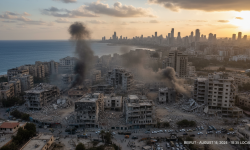
With Netanyahu Israel Iran tensions heating up, there’s a looming fear of spillover — think shipping attacks, cyber chaos, and squeezed energy lanes in the Persian Gulf, as experts repeatedly warn. Insurers and shipping firms brace for perceived risks, beyond just confirmed incidents, according to market insiders. The UN Security Council is on high alert, discussing these ever-connected regional hot spots. For related regional security context, see here.
International reactions: allies urge restraint, UN cites civilian risk
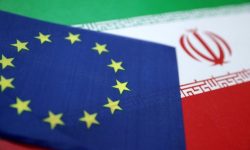
World players are tactful but firm, balancing deterrence with calls to cap the escalation, as per diplomatic dispatches. EU diplomats align with Israeli security while pushing for proportionality and lawfulness. The UN warns of civilian threats in nearconflicts, with the WHO sounding the alarm on the health crises triggered strikes – drawing from UN and WHO reports. Meanwhile, in Israel’s political theatre, moves provoking diplomatic backlash could toughen foreign stances.
What happens next: scenarios for signals, strikes, or deconfliction
Looking ahead, the trajectory of Netanyahu Israel Iran tensions will hinge on whether tough statements soften into discreet talks or ignite overt maneuvers that demand reactions, according to regional security gurus. A tempered approach might mingle public red lines with private talks, while a turbulent path could feature visible troop movements, warn observers. Domestic politics play a role too, as leaders might exploit tensions to tackle coalition strains or quell dissent. One possible scenario is ramped-up signaling without open warfare; yet, the chance for error stays slim when words turn to quasi-deadlines.