US-Iran relations: rising risks and EU alarm
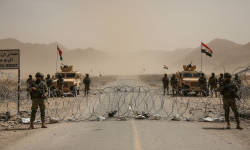
US-Iran relations are again at the center of European security concerns as Washington and Tehran trade sharper rhetoric and signals of readiness. According to available reports, the immediate goal is to prevent miscalculation in contested air and maritime corridors used for energy shipments and commercial traffic. In Brussels, diplomats describe the standoff as a key driver of whether crisis management stays political rather than turning military. The European External Action Service has reiterated that channels for messages must remain open even as deterrence postures harden. Officials avoid operational detail but note that past incidents at sea and in the air can escalate quickly when communication breaks down.
EU diplomacy and de-escalation steps
The European Union is pressing for a diplomatic lane that keeps dialogue possible while lowering the temperature on both sides. EU diplomacy is framed as a practical effort to protect civilians, shipping and regional partners from spillover, not a symbolic gesture. Kaja Kallas, speaking for the EU’s foreign policy leadership, argues that contact formats should prioritize verifiable steps and clear sequencing to reduce incentives for escalation. UN Secretary General Antonio Guterres warned that escalation is reverberating across borders and continents, according to UN News coverage of the diplomacy warning. Brussels also links this approach to wider crisis management debates, including EU budget 2027: Commission floats €200bn plan, as it weighs diplomatic and financial tools in parallel.
Global leader reactions and messaging
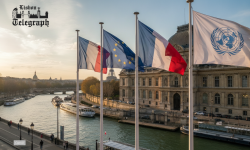
European capitals line up their public stance around restraint, avoiding statements that could be seen as taking sides. In Paris, ministers defend diplomatic space and discourage moves that could lock in retaliation cycles. In Brussels, EU statements echo the UN focus on preventing escalation from spreading into other theaters, as indicated UN messaging cited EU officials. Several governments are adjusting their language to keep contacts with both capitals functional, including on consular cases and maritime security. Regional partners encourage discreet mediation and clearer red lines for proxy activity, as per European diplomats, as US-Iran relations add pressure to already strained regional channels. Public peace appeals, like Pope Leo XIV visiting Sagrada Familia with peace appeal, are also cited as supportive context. Lisbon analysts note burden sharing debates in Costa: NATO European Security needs stronger alliance.
Middle East impacts: shipping, prices, and conflict spillover
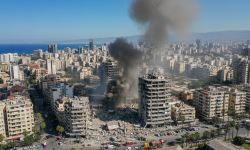
Even without a direct clash, reports suggest the regional conflict environment is vulnerable to rapid deterioration if armed groups misinterpret signals from Tehran or Washington as a green light to intensify attacks. EU briefings focus on risks to Gulf shipping routes, insurance costs, and energy price volatility, with potential downstream effects for European inflation and industrial planning. Humanitarian agencies warn that new escalation could compound existing crises in Lebanon, Syria, Iraq, and Yemen, according to available EU briefings. The UN has reported on damage and loss of life in the region; for instance, it cited eight killed in fresh strikes on Tyre and put Lebanon’s destruction bill at $365 million, according to Fresh strikes on Tyre kill eight, as UN puts Lebanon destruction bill at $365 million. EU diplomats mention such briefings when discussing that the current tensions carry immediate civilian costs.
What comes next for US-Iran relations and renewed talks
EU officials cautiously suggest the only workable path is a return to structured talks with clear goals, because open-ended dialogues often collapse under domestic political pressure, according to their assessment. They propose sequencing to reduce risks, starting with confidence-building measures that limit accidental contact and establish reliable communication lines. Brussels also urges that any future framework include regional stakeholders whose security concerns drive escalation dynamics. European diplomats aim to keep attention on immediate de-escalation rather than maximalist demands that neither side can accept. They caution that sanctions, deterrence messages, and defense postures must be paired with a credible diplomatic offer, so US-Iran relations are not driven solely power displays.