Angola energy hub: why Luanda is pushing now
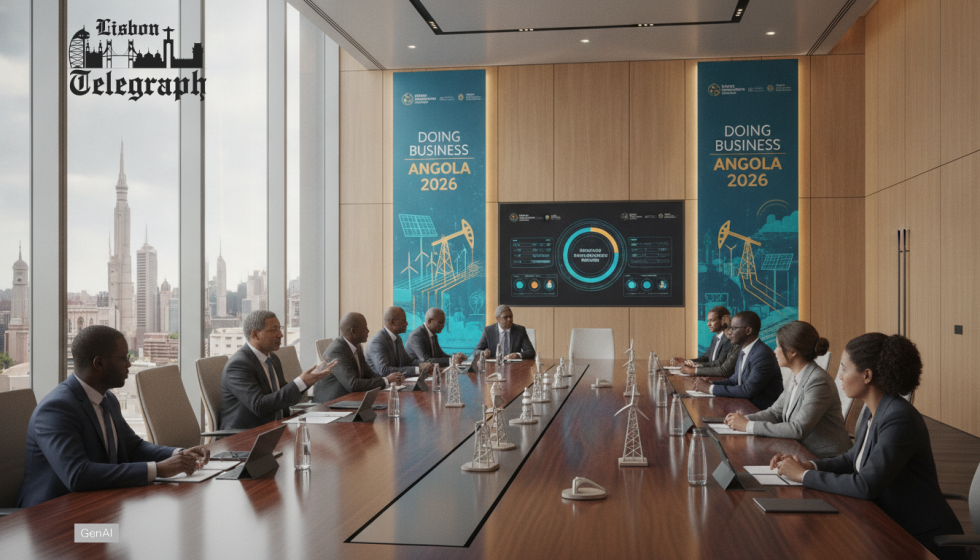
Angola’s ambitions to become a regional energy hub are framed as a practical project sequence, with Luanda aiming to supply fuel, electricity, and logistics across parts of southern Africa. According to reports, Edson dos Santos emphasized that the country’s geography and export infrastructure could support a regional platform for fuel and power trade. The focus includes monetizing gas, expanding transmission, and improving reliability for industrial users and export customers. Authorities are seeking clearer licensing timelines and contract terms that banks can underwrite. Ultimately, success will depend on whether announced LNG and grid plans materialize into reliable supply routes and investable cash flows.
Infrastructure and geography behind the Angola energy hub
The hub concept, as suggested planners, aims to connect supply, processing, shipping, and power flows into a single investment narrative. As indicated available reports from the UN, war financing dynamics in Africa can strain capacity, emphasizing the need for structured investment in Angola. There is a push to align permitting and technical standards with multi-year schedules to avoid project delays. Financing is a core challenge, often affected predictable tariffs and currency volatility. Governance is critical; procurement discipline and transparent bidding can keep lenders engaged, and Angola’s authorities recognize that stronger oversight is central to platform credibility.
Oil, gas, and LNG exports as the anchor
Oil and gas remain key to Angola’s export earnings, which could support grid expansion and gas-to-power projects. The Angola energy hub strategy leans on existing capacity to serve multiple countries and trading houses. New gas developments are presented as a means to reduce flaring and provide industry feedstock while boosting LNG export volumes. Investors are monitoring whether long-term contracts and tariff frameworks are disclosed alongside project milestones, as these can significantly alter risk.
International investment rules and shipping risks
International capital evaluates opportunities based on regulatory clarity and dispute resolution credibility. Reports suggest Angola aims to compete on these fronts. Strategic chokepoints can influence energy routes and risk management, and it’s suggested analysts that reducing counterparty risk through clear licensing timelines and bankable contracts could give Angola an edge. Regional diplomacy might sway investor sentiment and deal flow, affecting services and financing.
Outlook: what would prove the Angola energy hub model
The next phase will test whether Angola can transform announcements into coordinated action across gas supply, power generation, and trade rules. Securing long-term contracts and credible tariffs could enhance industrial competitiveness and broaden the export portfolio. Successful projects reaching final investment decisions could reduce uncertainty for follow-on investment. Authorities face the challenge of translating energy expansion into jobs and reliable service, beyond just exports, ensuring disciplined scheduling and execution across partnerships.