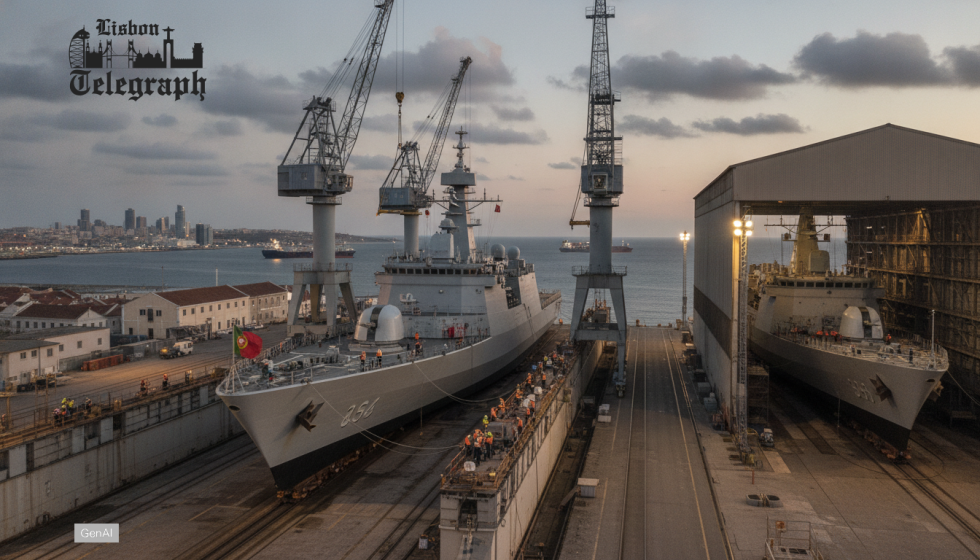
Portugal’s Frigates Plan: Keeping It Local
Portugal is tying naval procurement more tightly to sovereign sustainment decisions. According to available reports, the government is setting expectations for how new ships will be supported after delivery. In their strategy, officials indicate they want maintenance of frigates purchased from Italy to be carried out domestically, though full implementation documents are yet to be revealed. The stated goal, according to officials, is to maintain high operational availability while reducing dependency on foreign facilities. This approach appears to align readiness planning with domestic capacity, potentially leading to fewer cross-border delays. Officials frame the policy as fostering an enduring domestic capability.
Deal Terms and Domestic Sustainment
The deal is more than just a purchase, with sustainment terms affecting cost and readiness throughout the frigates’ service life. Ministers have highlighted national control over maintenance and repair tasks to be performed Portuguese facilities and personnel. However, the legal and technical details remain sketchy from the public record. Full cost breakdowns haven’t been publicly shared, leaving any savings unquantified in official commentary.
Impact on Industry and Job Opportunities
Keeping the sustainment work local could redirect more business to Portuguese companies handling systems support and logistics. Government messaging implies this may create consistent demand for skilled labor and subcontracting within the defense sector, although these are anticipated outcomes rather than confirmed results. As the ships enter service, there’s hope for growing staffing needs.
Technology Transfer: A Gamble?
A key question is whether Italian cooperation will yield long-term skills and access for the Portuguese navy. They’ve linked the plan to technology transfer initiatives, suggesting structured access to documentation and training. However, the precise details, like which subsystems will be domestically supported, remain under wraps. It’s a waiting game to see how much autonomy Portugal will truly gain.
Measuring Success: High Stakes
The ultimate test of the maintenance strategy is its effect on fleet availability and readiness. According to officials, local capacity might cut downtime and enhance scheduling, though performance data is still pending. If successful, this model could simplify future upgrades and bolster modernization. However, as of now, performance targets remain unpublished, making the outcome speculative until those first crucial maintenance events roll out.