Uranium enrichment Brazil and Lula’s energy policy vision
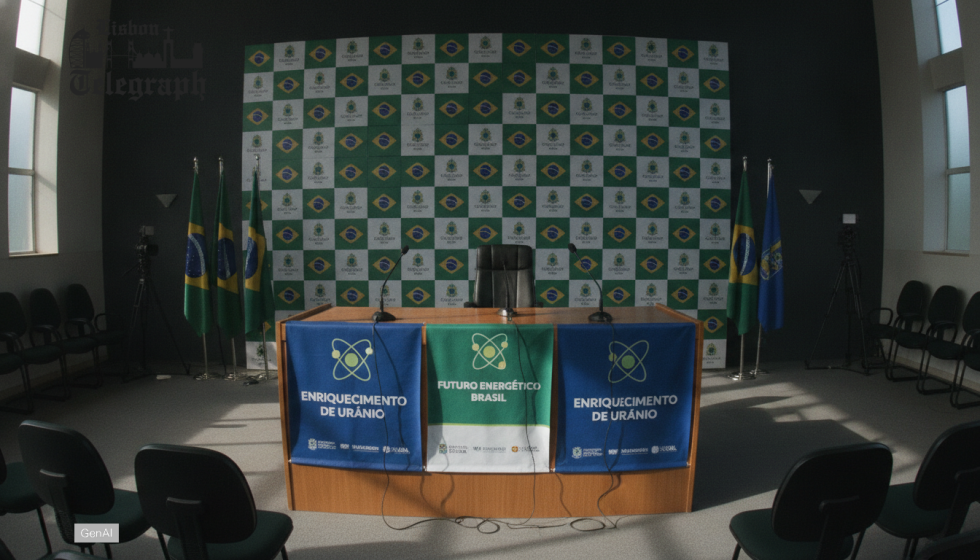
Uranium enrichment Brazil is again grabbing attention after President Luiz Inacio Lula da Silva voiced support for managing the complete nuclear fuel cycle with civilian aims in mind, according to Brazilian media. Lula argues Brazil should boost base generation reliability alongside renewables and fortify domestic scientific talent. Enrichment, say reports from Brazilian outlets, is part of industrial strategy linked to energy security, research, and sovereignty, shunning any military angle. This unfolds within the International Atomic Energy Agency’s safeguards framework, ensuring programs stay transparent and verified, as the IAEA outlines. Still, moving forward hinges on regulatory steps, licensing, and budgets, and so far, there’s no official timeline for capacity buildup.
National sovereignty case for uranium enrichment
In Brazil’s capital, Lula ties sovereignty to local uranium enrichment, seeing reliance on foreign suppliers as risky, as reported Brazilian media. Any enrichment growth means robust oversight, licensing, and safeguards to keep operations transparent and accountable. For those curious about multilateral verification systems, check out this UN article: UN continues scaling up response to earthquake in Colombia. At home, Lula’s supporters argue the need for transparency and inspections to maintain program credibility during political scrutiny. Official timelines remain unpublished.
Political reactions as election debates intensify
Opposing politicians see Lula’s remarks as politically charged as Brazil gears up for elections, according to local coverage. They’re demanding clarity on costs and boundaries of potential enrichment moves. Proponents retort national skill aligns with nonproliferation norms when projects are open and oversee civilian uses, they state. This debate is part of broader election battles over industrial policy and energy costs, turning the nuclear angle into a litmus test for competence, say local analyses. A companion article on narrative shaping, Secrets hidden in sacred music: Pope Leo XIV, shows how perceptions can shift without factual changes. Lula’s party pledges to adhere to safeguards.
Economic stakes and financing questions
Financially, Lula’s camp suggests domestic fuel prospects could foster high-value manufacturing, research careers, and stable supply chains if funding remains steady, based on Brazilian business outlets. They argue this setup could mitigate foreign currency volatility, though critics note that such costly projects might slow immediate benefits like grid tweaks and transmission enhancements, as commentators suggest. Funding terms are critical too: rising global rates could impact emerging economy borrowings, seen in European bond yields rise as eurozone rate fears grow. Brazilian business critiques underline the necessity for stringent governance to dodge financial pitfalls, and no fully detailed plan has accompanied Lula’s public statements yet.
International safeguards and confidence building
On the global stage, Lula’s address aims to assure commitment to civilian energy projects under nonproliferation agreements, as noted in official releases. Diplomats zero in on transparent communication, safeguard accessibility, and declared intentions due to the sensitive nature of enrichment, even under lawful terms, as established in nonproliferation practices. The IAEA underscores confidence in terms of openness and up-to-date verifications, as Brazilian officials reportedly align their statements. For international allies, the gauge will be if expansion comes with inspection readiness and clear civil use, as diplomatic commentators suggest, with regional trust efforts likely under more scrutiny.