





US flight suspension kicks off as comms crash
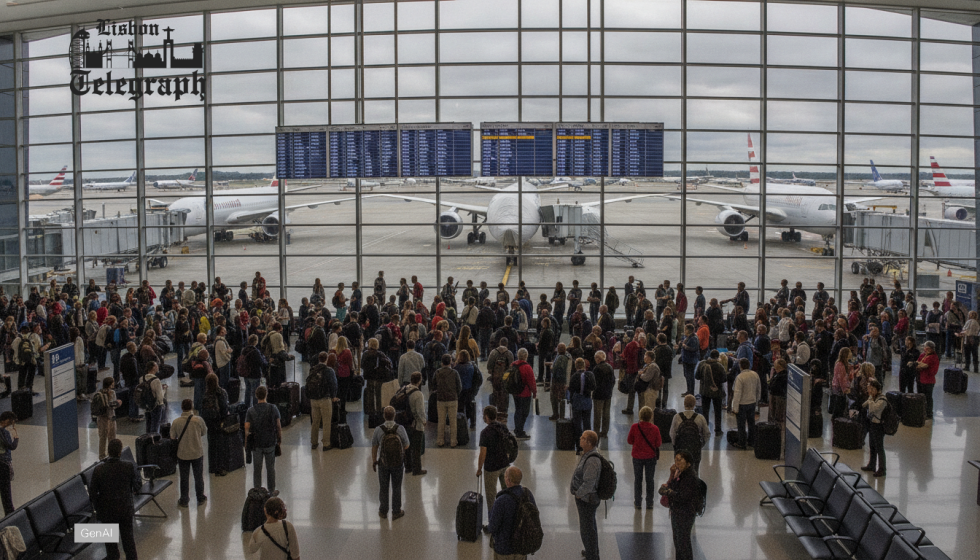
The US flight suspension kicked off when air traffic controllers experienced communication breakdowns that threw coordination with pilots and towers into chaos, according to available reports from airlines and airport operations. The Federal Aviation Administration claimed it issued a nationwide ground stop to ensure safety while technicians scrambled to restore stable communication channels. Major hubs turned to backup plans, keeping planes parked as queues grew. Airlines warned travelers about potential chaos and schedule shake-ups. late morning, some take-offs reportedly resumed in phases, yet many regions faced ongoing disruptions while systems were tested for reliability.
What sparked the outage and how the FAA is digging in
Federal officials are reportedly investigating whether the outage relates to a configuration blunder or a vendor issue; no cause has been publicly confirmed pending detailed findings. Officials also haven’t dismissed a potential cyber incident during their review, based on typical incident handling practices. The FAA said its engineers are combing through logs, timestamps, and system behavior while coordinating with telecom partners to find the flaw. Similar tech meltdown impacts were seen in the Microsoft outage: police force challenges across UK, illustrating how failure can spread across linked services. The FAA will release findings and remedy steps once the root cause is identified, as noted in a midmorning review call.
Passenger delays, airline struggles, and airport chaos
Carriers scrambled to manage missed connections and crew limits. Aircraft couldn’t be repositioned as planned, per airline advisories and airport updates. For more chaos context, check out the BBC video How the Microsoft outage affected North America cited in recent briefings as airlines strategize recovery moves. The FAA asserted the pause aimed to cut runway congestion as communications stabilized, avoiding airborne gridlock during peak periods. Several airlines issued waivers, while airports urged travelers to verify alerts before heading out. Recovery isn’t quick—planes and crews can end up scattered, as seen in past disruptions.
Security probes and FBI’s role in aviation mishaps
During restoration work, federal law enforcement reportedly checked for signs of foul play, though conclusions weren’t immediately shared. The FAA has stated it works with federal bodies like the FBI and Department of Homeland Security during such system failures, particularly when swift triage is needed. Experts look for odd access patterns, authentication slips, or unforeseen changes while leaders maintain restrictions until systems stabilize, as per response protocols. Planners often cite surge management lessons such as Lisbon Metro boosts capacity for Web Summit 2026 rush and Web Summit storm impact as Charles halts day two for crowding and communication strategies. Disruptions may also affect surface transit at major hubs, upping congestion risks and missed links, especially during busy hours.
Avoiding future nationwide standstills: fixes, checks, and resilience
Regulators and airlines seem poised to call for stricter testing, clearer vendor roles, and quicker failover exercises once normalcy returns, based on past aviation reviews. The FAA has hinted at modernizing communication and data frameworks, with post-event reviews expected to assess redundancy performance, including backup routing and frequency activation. This US flight suspension might hasten audits of contingency schemes to ensure smooth passenger movement amidst future system hiccups. Industry voices often push for tougher validation before critical software changes and early anomaly detection through nonstop monitoring. Airlines want clearer instructions on when to cancel versus delay during nationwide standstills.