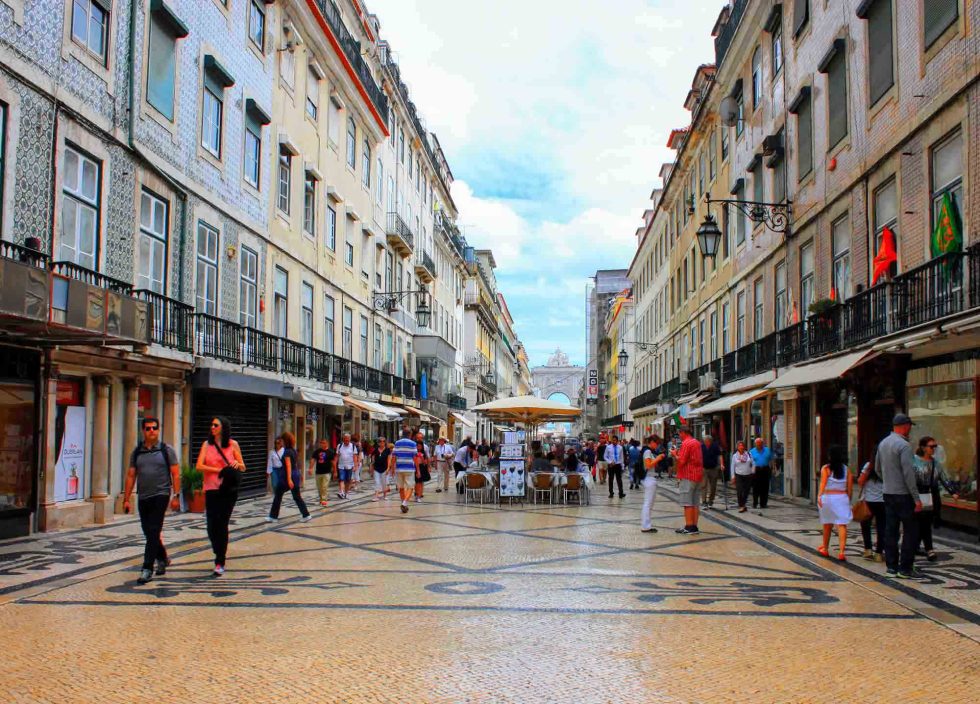
First time visitors to Lisbon often follow a familiar path. Packed trams creak through historic streets, nightlife spills into well known party zones, and tiled facades become backdrops for endless photos. While these experiences have their charm, they only tell part of the story. Just beyond the most photographed corners lies another Lisbon, one shaped everyday routines and long established communities rather than visitor itineraries.
Locals have quietly continued to live, work, and socialise in districts that remain central yet overlooked. These neighbourhoods reveal a richer and more balanced portrait of the city, where daily life unfolds at a human pace and traditions are preserved without performance.
A City Lived In Not Performed
Lisbon is often described as compact, and that closeness is what makes its lesser known areas so accessible. A short walk or a few metro stops can take you from dense tourist traffic to streets where shopkeepers greet regulars name. In these areas, mornings begin with a quick bica at a corner kiosk and afternoons stretch into relaxed conversations outside cafés.
What defines these districts is not a lack of history but the way history blends seamlessly with modern life. You will find older residents sitting beside younger families and recent arrivals, all sharing the same public spaces without the pressure of spectacle.
Quiet Streets With Strong Community Roots
Neighbourhoods such as Campo de Ourique offer a clear example of how Lisbon functions when tourism is not the main character. Known for its market culture and residential feel, the area is filled with bakeries, small grocery shops, and schools that anchor daily routines. Life here revolves around practical needs rather than curated experiences.
Further east, Penha de França provides elevated views and a slower rhythm. Though close to central transport links, it remains firmly residential. Locals gather in modest cafés and family run restaurants where menus reflect habit rather than trend. It is the kind of place where time feels less compressed.
Food That Reflects Lisbon’s Diversity
Away from the crowded dining streets, local neighbourhoods showcase the city’s cultural layers through food. Lisbon’s history of migration has shaped its cuisine in subtle but meaningful ways. In these districts, it is common to find Cape Verdean, Mozambican, Brazilian, and South Asian influences sharing space with traditional Portuguese cooking.
Eating here is less about chasing the best rated restaurant and more about becoming part of the neighbourhood rhythm. Meals are unhurried, prices are reasonable, and conversation often flows as freely as the coffee.
Everyday Rituals That Define the City
What truly distinguishes these areas is the presence of everyday rituals that have not been displaced tourism. Elderly residents read newspapers at outdoor tables. Children play in small squares after school. Friends meet at the same café at the same hour each day.
These moments create continuity. They remind visitors that Lisbon is not a museum city but a living one. Observing these routines offers insight into how the city sustains itself beyond seasonal visitor peaks.
Why These Neighbourhoods Matter
As tourism continues to reshape European capitals, areas that retain local character play an essential role in preserving social balance. They provide housing, employment, and cultural continuity for residents while quietly absorbing newcomers who are willing to engage respectfully.
For visitors, exploring these neighbourhoods is not about rejecting popular sights but about expanding perspective. It allows a deeper connection with Lisbon as it is lived rather than displayed.
A More Complete Lisbon Experience
Stepping away from the crowds does not require abandoning the city centre. It simply requires curiosity and a willingness to slow down. spending time in neighbourhoods locals love, visitors gain access to a Lisbon that feels warmer, more nuanced, and more real.
In these streets, the city reveals itself not through landmarks but through people. And that is where Lisbon’s true character quietly resides.