EU passenger rights: Parliament vote and why it matters
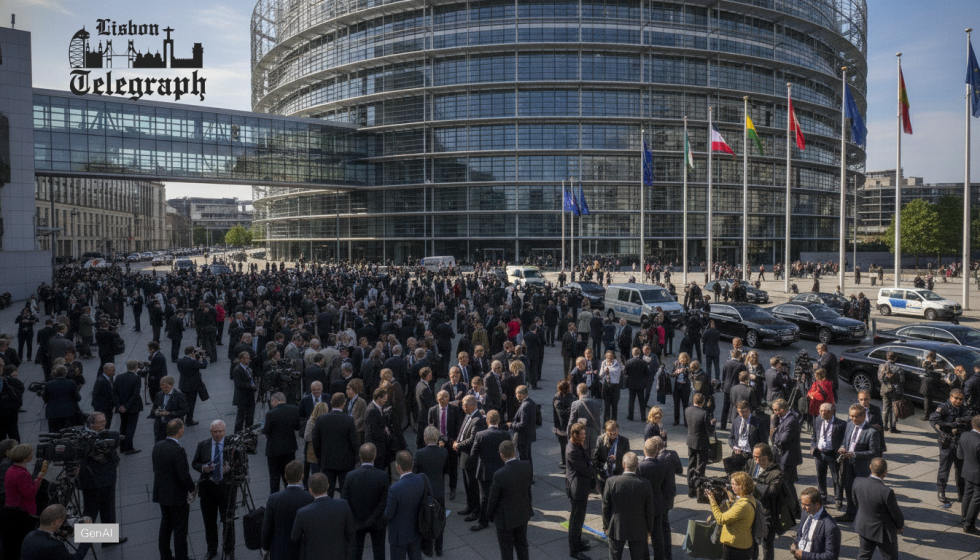
EU passenger rights are getting a potential makeover after the European Parliament gave a thumbs-up to tougher rules. The aim? To rein in airline practices slammed as unfair at both point of sale and during disruptions. Get ready for clearer info before you click buy, fewer sneaky charges, and faster complaint handling, as summed up Parliament’s own spill. They’re not rewriting the travel rulebook, but want more teeth in enforcement and clearer disclosures, as indicated available reports. Next up: haggling with EU member states in the Council. Airlines could find themselves under closer watch as they show you the fine print on terms, fees, and restrictions, if things move in Parliament’s steered course.
Key changes proposed to strengthen EU passenger rights
What’s on the table? Clearer pre-purchase info and shrinking room for sales tactics that bamboozle buyers, as described in MEP and Parliament briefings. Optional extras? They want those spelled out right from the booking stage. For a peek at similar regulatory pressure, check out Castlelake EasyJet: airline backs £5.2bn deal terms. Talks pointed out that passengers deserve to know the score on seat allocation, fare rules, and add-ons so they can compare apples to apples across borders. Another goal is smoother complaint handling when your compensation claim is given the cold shoulder or when you’re nudged towards vouchers you didn’t crave. They’re also gunning for more cohesive national enforcement to plug existing gaps per Parliament’s briefings.
Enforcement, penalties, and cross-border complaints
The big shift? It’s all about how stuff gets enforced. They’re looking at what shows up at checkout, where your gripes get logged, and who takes charge when airlines trade across lines. For a deeper dive on expectation management, take a look at Encyclical of Pope Leo XIV: Themes and Context. Parliament briefings sketched out what’s next: more chats with the Council and Commission to nail down final wording. Airlines could face stiffer penalties if all goes as suggested in Parliament’s proposals. The idea is to bring transparency into your digital screens, call centres, and when resolving disputes, where trouble often brews.
What airlines and passengers should expect in booking and after sales
Should the Parliament’s take get the nod, airlines might need to reshape booking paths, display honesty in fees and limitations, and boost their after-sales game, as pointed out in EU policy chatter. We’re talking digital layout facelifts, altered call scripts, and reimagined complaint chains. Peek at local efforts to upgrade info displays in Lisboa Metro digital system trial adds info screens. For passengers, this could mean fewer surprise extras and clearer conditions. Compliance costs might rise if the new rules crack down faster, but that hinges on the final script and how it’s enacted. Consumer voices argue airtight terms clip disputes, while airlines often fret that strict rules might curb their crisis management agility, per the usual stakeholder spins found in EU transport discussions.
Timeline and next steps for EU passenger rights reform
The road ahead twists through negotiations with the European Parliament, the Council, and the Commission—each having their say on how soon airlines must adjust and how enforcement shapes up. The reform’s value depends on if disclaimers stick and if passengers can snag redress minus the bureaucratic detours, echoing the priorities laid out lawmakers and consumer advocates in public briefings. MEPs painted this vote as a badge for consumer transparency in the single market. But remember, these rule tweaks still need to dodge through legal hurdles across borders. If things go as charted, expect a sharp eye on transparency and disclosure standards in the EU aviation realm, firming up EU passenger rights in everyday scenarios.