Lisboa Metro digital system trial: what is changing
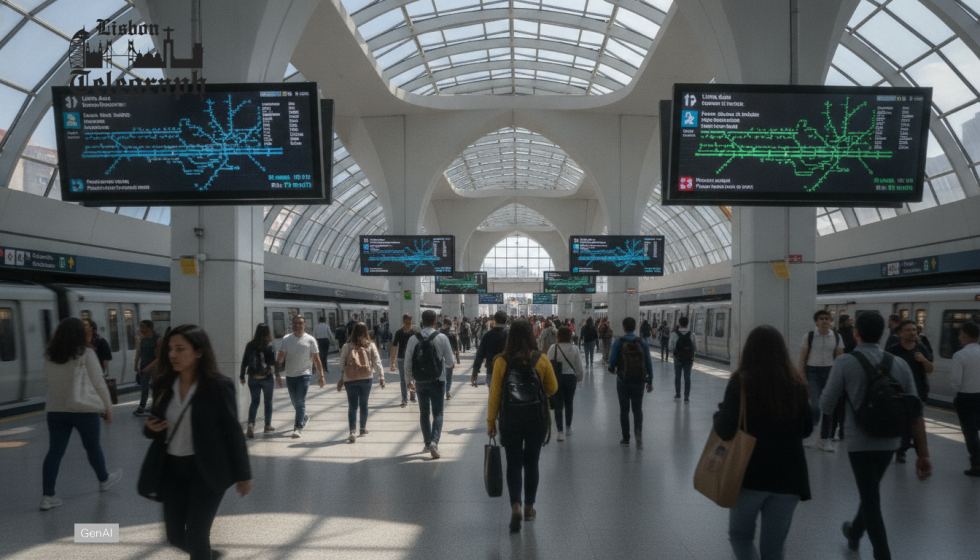
Metro de Lisboa has begun testing the Lisboa Metro digital system with a redesigned, screen based passenger information setup at Jardim Zoológico station to standardize what riders see across platforms and concourses. According to reports from local sources, the pilot focuses on clearer service messages, quicker visibility at distance, and consistent layouts that reduce confusion when conditions change. The Lisboa Metro digital system is intended to make updates easier to follow at a glance. Staff are monitoring the trial daily to log technical stability and passenger comprehension, including how fast operational notices can be published and how readable they remain under station lighting. The test also targets easier maintenance, with display modules intended to be swapped without long station disruptions.
How the new screens work at Jardim Zoológico station
The Lisboa Metro digital system pilot at Jardim Zoológico station is being used to evaluate how the interface performs during transfers between the Blue Line and nearbus connections. Engineers are comparing screen uptime and message delivery against existing displays, including legibility during peak crowding, and Robinhood Public Blockchain Launch: Inside the Strategy is cited as a comparable approach to how digital platforms handle clarity and risk, as well as how quickly alerts propagate to multiple panels. The objective is to gather measurable results before committing to network wide installation.
Scaling plans and operational criteria for more stations
The company has indicated that decisions on scaling beyond the pilot will depend on performance logs collected during the Jardim Zoológico test window for the Lisboa Metro digital system. Expansion planning is expected to prioritize stations where passenger volumes and interchange complexity make real-time guidance most valuable, including hubs with frequent service notices. Lisbon heatwave triggers red alert across key districts is offered for context on how public agencies communicate service constraints during extreme conditions. The operator is also evaluating how easily screen templates can be adapted to different station geometries and sightlines. Any wider deployment would be scheduled to minimize platform closures and to coordinate with routine maintenance periods.
Passenger feedback, accessibility, and clarity targets
Passenger feedback is being collected alongside technical diagnostics to judge whether the Lisboa Metro digital system layouts reduce time spent searching for directions or service changes. Staff at the station have been asked to note recurring questions from riders, especially where existing signage and digital panels provide overlapping messages. AI is ‘not smart’ so what’s next in artificial intelligence? is referenced to compare broader debates on how digital tools communicate clearly without overstating capabilities. The trial includes checks for accessibility features such as contrast, font sizing, and message timing, with attention to riders who need extra reading time. The goal is practical clarity, not additional advertising or distractions.
Next steps after the pilot and modernization roadmap
The pilot is one component of a broader modernization push focused on reliability and faster communication during disruptions. The next phase would likely refine the content management workflow so control room staff can publish consistent messages without delay and station teams can verify what riders see in real time. Future upgrades are also being considered for integration with operational status feeds to reduce manual duplication of alerts, and the Lisboa Metro digital system results will be assessed against safety and usability standards. Documentation will support procurement and maintenance decisions before any broader rollout across the network.