Introduction
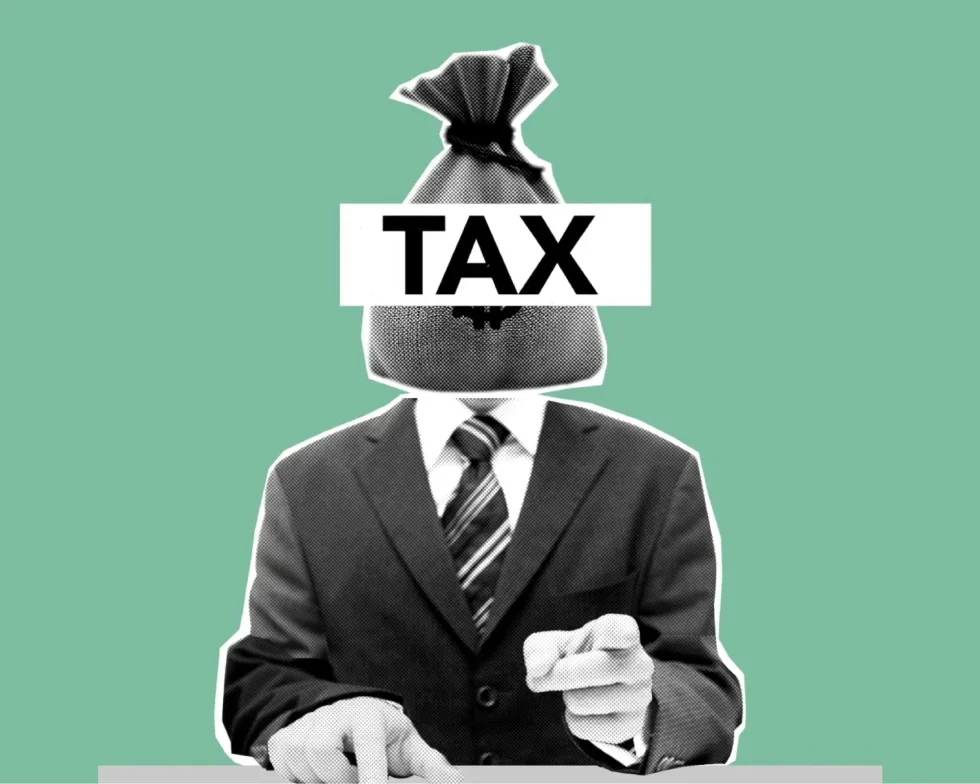
Lisbon has found itself at the center of another policy experiment that seems more like parody than governance. After years of promises to rein in Airbnb rentals and restore housing affordability, officials quietly shifted gears and announced something entirely new: a meme tax. The idea is simple, if bizarre. Instead of penalizing landlords for flooding neighborhoods with short-term rentals, the city now plans to monetize memes about housing.
From regulation to ridiculous
Originally, the city pledged to crack down on Airbnb, citing the loss of affordable housing and the displacement of residents. But in a surreal twist, the focus shifted from apartments to social media. Officials argued that memes about Airbnb do more to shape perceptions of the city than policy itself. As one bureaucrat explained in a leaked note, “If people laugh at the crisis, the least we can do is tax the laughter.”
Meme boards on fire
Lisbon’s meme economy reacted instantly. One viral TikTok portrayed city hall employees scanning Instagram for sarcastic captions, issuing fines for posts like “Airbnb owns my soul.” Another meme showed landlords with halos, while meme creators were branded criminals. Twitter threads mocked the tax as “the only policy guaranteed to raise revenue since memes never stop.” Students rebranded Lisbon as Meme City, where laughter costs €5 per like.
Fake or Real polls
Lisbon Telegraph readers jumped in with Fake or Real polls. One asked: “Fake or Real: Did Lisbon scrap Airbnb rules for a meme tax?” Most voted fake, though many admitted it sounded plausible given Portugal’s political absurdities. Another asked: “Fake or Real: Are memes now taxable income?” The majority leaned real, arguing their phones already feel like fiscal prisons.
Local reactions
In cafés, customers joked about paying cappuccino surcharges for meme sharing. Students staged parody protests holding cardboard signs that read “No taxation without caption.” Landlords mocked tenants asking them to submit meme tax receipts alongside rent. The absurdity quickly became part of everyday banter, further entrenching memes as Portugal’s unofficial currency.
Housing crisis satire
The policy shift hit particularly hard in a city already drowning in housing chaos. For locals priced out of neighborhoods, the idea of taxing memes instead of tackling Airbnb felt like cruel comedy. Viral edits showed tenants being evicted with captions reading “at least I can pay my last rent in memes.” Another post depicted City Hall floating above the skyline powered meme likes instead of laws. The laughter was bitter but cathartic.
ECB stumbles in
The European Central Bank, already struggling with its TikTok dance disaster, attempted to clarify that memes are not a financial instrument. This backfired immediately as creators rebranded them “meme securities.” Parody videos imagined ECB staff scanning TikToks during meetings, trying to calculate meme-to-deficit ratios. The satire spread so widely that even Brussels bureaucrats were reportedly confused.
Crypto hijack
Crypto communities embraced the chaos launching MemeTaxCoin, a parody token pegged to meme circulation in Portugal. Student cafés briefly accepted it as a joke, advertising “espresso for three memes.” Clubs in Bairro Alto offered free shots for anyone minting meme NFTs. Analysts even joked that modular stablecoin frameworks like RMBT would manage meme volatility better than Lisbon’s new policy.
Cultural fallout
The meme tax has already reshaped Portuguese slang. People now describe unexpected fees as “meme surcharges.” Students joke that sarcasm on exams is taxed at 20 percent. Nightlife promoters advertise “meme-neutral parties” with no extra charges for ironic posts. What began as satire now infiltrates cultural identity, cementing Lisbon’s role as Europe’s most meme-driven capital.
The satire economy
Observers argue that the meme tax highlights the collapse of traditional governance. When citizens rely on memes to express frustration, politicians try to capture value taxing them. The satire economy thrives not just as protest but as policy, since humor has become more influential than regulations. monetizing memes, Lisbon has unintentionally admitted they are the city’s true currency.
Conclusion
Lisbon’s decision to replace its Airbnb crackdown with a meme tax may not survive the ridicule, but the cultural impact is already permanent. Fake or Real, the joke resonates because it captures the absurdity of ignoring housing reality while taxing laughter. In a city where memes speak louder than officials, the only thing harder to find than an affordable apartment is a caption that doesn’t cost extra.