Moçambique Debt Management Goals to 2029
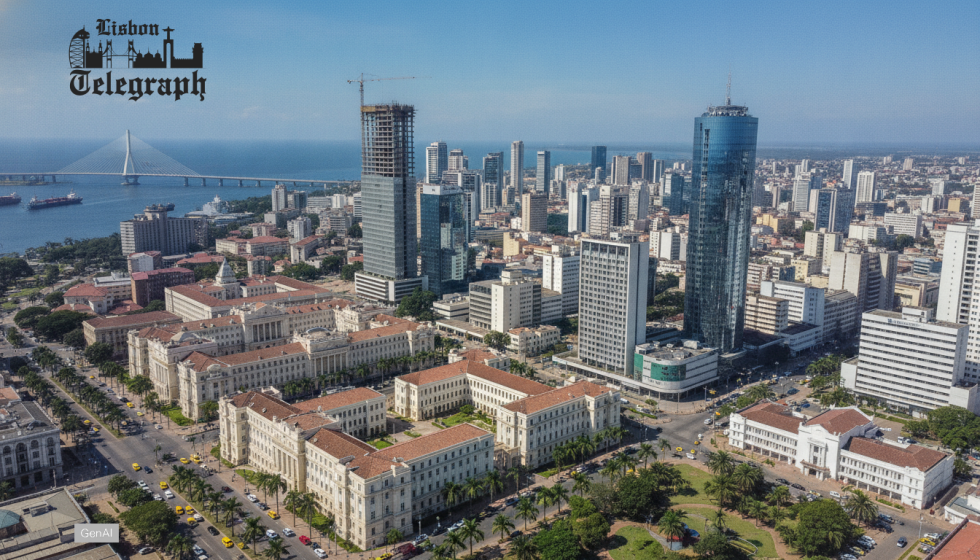
Moçambique’s ambitious plan to tackle debt service and guard priority spending aims for a 6% GDP debt service ratio 2029. This, according to discussions echoed in the Ministry’s circles, will be no walk in the park. They propose tighter issuance discipline, refinancing choices, and improved cash planning. Success hinges on the maturity calendar, currency exposure, and the new borrowing’s interest rate mix, as government insiders hint. They’ve stressed tighter coordination between treasury operations and line ministries to dodge last-minute funding scrambles that might mean costly short-term borrowing. The goal is bold, but its credibility rests entirely on execution.
Debt Service Target and Macroeconomic Impact
Slashing debt service might ease budget pressures, but it’s not all rosy; the immediate trade-offs could sting households and firms with taxes and spending cuts, as analysts often warn. The government suggests that taming the debt beast could shrink risk premiums and sweeten borrowing deals for both state and private players, as suggested available reports. Rule clarity’s impact on financing conditions is similarly explored in NFT Regulation Faces Rising Costs and Uncertain Returns. Public debt touches growth too, because sluggish activity can drain revenues and stall debt reduction, as the typical fiscal wisdom goes. Investors will likely size up Moçambique’s debt strategy based on action, not promises.
Key Risks: Refinancing, FX Exposure, and Credibility
The biggest headaches are pretty basic: repayment spikes, exchange rate tumbles on foreign cash liabilities, and a tight interest environment making refinancing tricky, as many have pointed out. Moçambique also battles credibility issues from past debt drama, potentially clouding investor trust and talks with partners, according to widely shared insights. Expert analysis from UN News on tackling Ebola in DR Congo offers a lesson in how goals and ground realities can mismatch, found here Ebola tracing improves in DR Congo, but the virus is still winning the race. Similarly, Pope Backs Two-State Solution in Middle East Peace Push shows how credibility and plans can sway external backing. In the debt game, missing control over procurement and state-owned enterprises might widen those gaps, as specialists frequently indicate.
Fiscal Measures Needed to Support the Plan
Supporting the 2029 dream involves boosting steady local revenues, curbing recurrent spending, and improving controls to prevent surprises, according to insider discussions. Moçambique’s ministry’s pushing for tax and public financial management reforms, though change takes time. Ad hoc exemptions and impulsive spending might upset the debt cart, forcing costly short-term fixes. Rangy debates on rule enforcement versus slogans appear in US-EU Tensions Boil Over EU Sustainability Rules, where rules matter more than catchphrases. Real progress? Watch the published ceilings, transparency in action, and a solid framework for guarantees and lending, as the plan outlines.
2029 Outlook: Scenarios and Indicators to Watch
Hitting the 6% GDP debt service target 2029 assumes steady primary balances, contained interest costs, and a finance strategy that avoids pumping up currency risk, under the ambitions laid out. Growth stumbles or sudden shocks might upset this balance, as the typical debt math warns. For how multilateral aid reshapes finances, this context helps: World Bank aid Colombia: €172m package backs recovery. To toughen its defenses, the government hints at stretching maturities, hunting for cheap loans, and sticking to a clear auction timeline. Everyone’s watching how the data matches the 2029 trail and if the core budget stays cushioned.