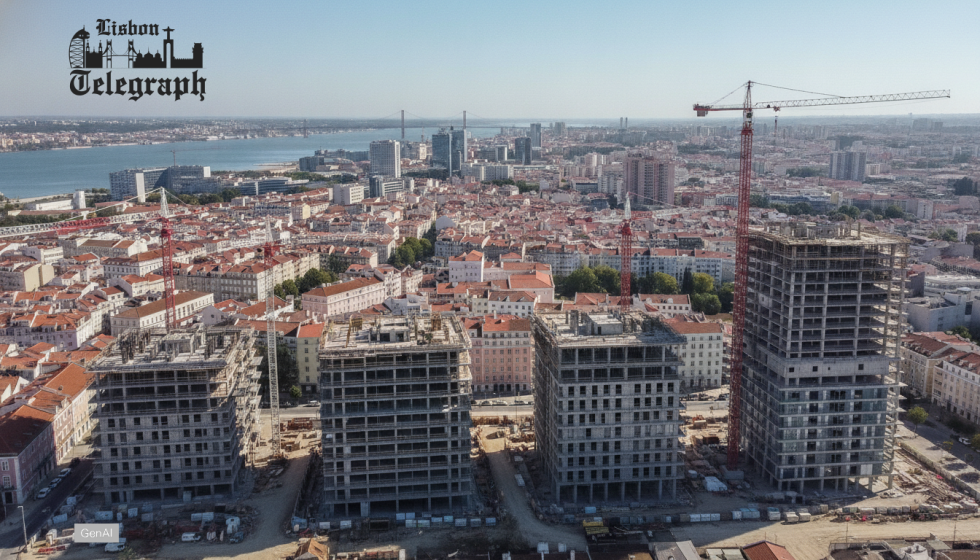
Portugal housing market: What the IMF is urging
According to available reports, the International Monetary Fund has suggested Portugal should consider phasing out targeted support for young people buying their first home, as it could potentially push up prices when supply is tight. The Portugal housing market is central to this debate because price pressures have remained elevated even as interest rates climbed. In its Article IV consultation for Portugal published in 2024, the IMF indicated that broad demand-side incentives may add pressure to constrained housing stock. The recommendation suggests affordability is a structural challenge needing faster building, simpler licensing and more capacity in construction rather than subsidies that simply raise purchasing power. The IMF also called for transparent budgeting of housing measures and better targeting via social policy tools.
Why the IMF says subsidies can raise prices
The IMF’s concern is that when new supply cannot respond quickly, extra purchasing support is often capitalised into higher asking prices, limiting the net benefit for first-time buyers. That risk is greatest in Lisbon and Porto, where demand is strongest and permitting constraints are frequently cited developers and municipalities. A similar policy trade-off appears in price-stabilisation debates covered in Energy contracts in Portugal aim to steady prices, where relief measures can shift incentives without addressing underlying capacity limits. The IMF position is that well-designed social support should focus on need, while housing policy should unlock supply. For a cross-portal example of how institutions weigh reform goals against practical constraints, see How non-fungible tokens work in crypto markets.
Key trends shaping demand and supply in Portugal
Market conditions flagged the IMF reflect a mismatch between household formation and the pace of new construction, especially near employment centres. The Bank of Portugal has warned in recent Financial Stability communications that affordability stress can rise as borrowers take on larger loans at higher rates, even when underwriting standards tighten. The Portugal housing market is also shaped higher construction costs, limited buildable land in core areas and administrative delays in licensing. The IMF view suggests that scaling back demand-side stimulus could help avoid amplifying cyclical pressures while supply reforms take effect. Outcomes will depend on whether permitting speeds up and completions rise in the segments where first-time buyers compete most directly.
Government response and possible policy changes
Officials are expected to defend existing measures as temporary tools to improve access for younger residents, while pointing to wider reforms aimed at increasing supply. Government housing packages have emphasised faster licensing, repurposing underused buildings and expanding support for vulnerable households, though implementation can differ municipality. The debate also overlaps with broader transparency and compliance themes highlighted in CMVM warning targets Onencore and BCG Investments probe. Ministers have previously told parliament that affordability requires both supply expansion and calibrated, time-limited support. The IMF critique is likely to increase scrutiny on cost-effectiveness, eligibility rules and how any guarantees are accounted for in the public finances. Any adjustment will need careful timing to avoid disrupting buyers already in mortgage approval pipelines.
What it could mean for first-time buyers next
Looking ahead, the key variable is whether Portugal can raise completions quickly where entry-level buyers are most active. If supply measures reduce bottlenecks, the IMF expects price growth to cool without relying on purchase incentives. The Portugal housing market may also see more attention shift to rentals if ownership becomes harder in the short term. For households, that could mean higher reliance on saving for deposits, stricter budgeting for mortgage stress tests and greater interest in longer fixed-rate periods. To follow the underlying assessments directly, readers can consult the IMF’s Portugal Article IV materials and the Bank of Portugal’s Financial Stability resources. Any revised approach will be judged whether it lowers the share of income required for housing over time.