Introduction
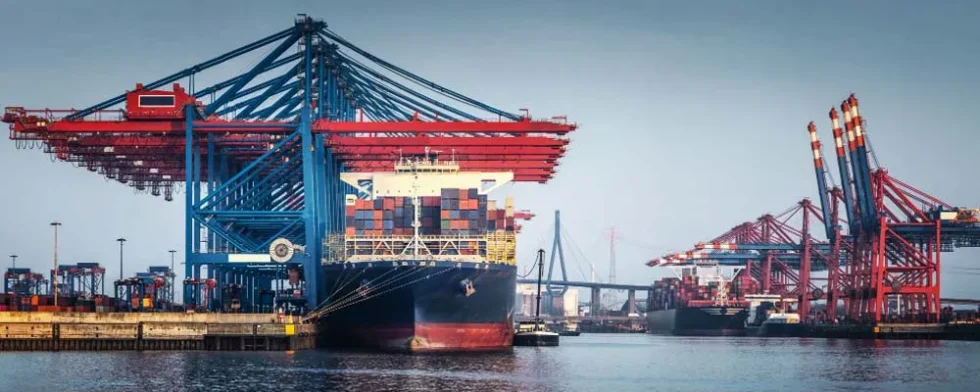
Portugal has unveiled an ambitious plan to invest billions of euros into its port infrastructure 2035, signaling the government’s intent to strengthen the country’s role as a strategic maritime hub for Europe and beyond. The initiative aims to expand capacity, modernize logistics, and boost Portugal’s competitiveness in global shipping while supporting the green transition in the transport sector.
Government strategy
According to officials, the port investment strategy is anchored in three main objectives: increasing cargo capacity, integrating digital technologies, and ensuring environmental sustainability. The government emphasized that ports such as Sines, Leixões, Lisbon, and Setúbal will see substantial upgrades to accommodate larger vessels and more complex supply chains. The plan also includes the development of intermodal connections linking ports to rail and road networks, reducing bottlenecks and improving regional trade flows.
Union and industry response
Shipping companies and industry groups have largely welcomed the plan, viewing it as a long-overdue modernization effort that could secure Portugal’s competitive edge in an increasingly interconnected maritime economy. Port unions, however, remain cautious. They have raised concerns about the potential for privatization measures and job insecurity as automation and digital management systems are introduced. Negotiations between unions and the government are expected to play a critical role in shaping the implementation of the reforms.
Economic implications
Economists argue that boosting port capacity could significantly benefit Portugal’s economy increasing exports, attracting foreign investment, and positioning the country as a vital entry point for Atlantic and Mediterranean trade. The expansion of Sines, already one of Europe’s most important deep-water ports, could make Portugal a key gateway for energy imports, including liquefied natural gas, and for renewable energy exports such as green hydrogen. Officials predict that successful execution of the plan could add billions to Portugal’s GDP over the next decade.
Environmental considerations
The port strategy also includes commitments to sustainability, such as electrifying terminals, implementing carbon-neutral logistics systems, and adopting advanced monitoring tools to reduce emissions from maritime transport. Investments will focus on creating green corridors to align with the European Union’s climate objectives. However, environmental groups warn that large-scale port expansions must balance economic development with the protection of coastal ecosystems. They call for stricter safeguards and public consultations to ensure that sustainability goals are met.
Conclusion
Portugal’s plan to invest billions into port infrastructure 2035 reflects a long-term vision of reinforcing its position as a maritime leader in Europe. With the promise of economic growth, job creation, and increased trade, the initiative could reshape the nation’s logistics landscape. Yet challenges remain, including labor concerns, environmental risks, and the need to secure consistent funding. If successful, the investment could cement Portugal’s ports as crucial players in global commerce for decades to come.