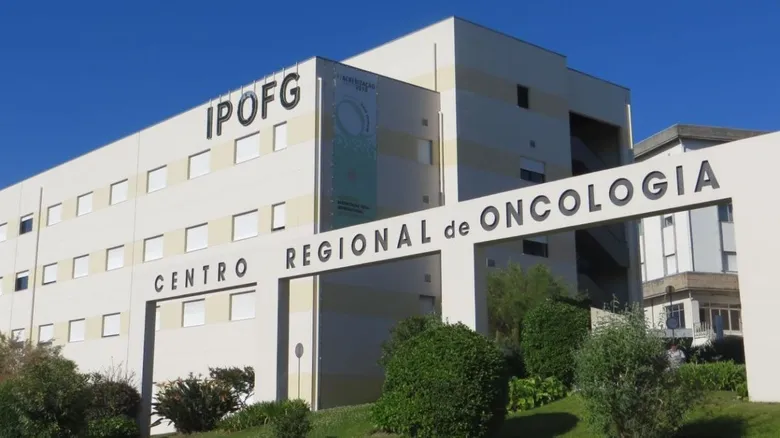
Portugal has approved a €11.6 million investment to modernise cancer treatment and diagnosis at the Portuguese Oncology Institute of Coimbra, reinforcing the country’s commitment to strengthening public healthcare through advanced medical technology. The funding will support the acquisition of heavy medical equipment and a state of the art robotic surgical system, significantly expanding the institute’s clinical capabilities.
The investment is being financed through Portugal’s allocation under the Recovery and Resilience Plan, which aims to modernise public services, boost resilience and address long standing structural gaps across key sectors. Health authorities said the project reflects national priorities to improve access to specialised care while reducing inequalities between regions.
According to officials, the new equipment will enhance both diagnostic precision and treatment effectiveness for cancer patients. Heavy medical equipment typically includes advanced imaging and radiotherapy systems that allow clinicians to detect disease earlier and deliver more targeted therapies. These technologies are expected to shorten waiting times and reduce the need for patients to travel to other regions for specialised procedures.
A central element of the investment is the introduction of a robotic surgical system, which will allow surgeons to perform complex operations with greater precision and control. Robotic assisted surgery is increasingly used in oncology to minimise invasiveness, reduce blood loss and support faster recovery times. Hospital leaders said the system will be particularly valuable in delicate cancer procedures where accuracy is critical.
The Portuguese Oncology Institute of Coimbra serves a wide population across central Portugal and plays a key role in the national cancer care network. upgrading its technological infrastructure, the institute aims to improve outcomes while also strengthening its role in clinical training and medical research. Officials noted that modern equipment is essential not only for patient care but also for retaining specialised professionals in the public health system.
Health sector analysts say the investment highlights a broader shift in Portugal’s approach to healthcare spending. Rather than focusing solely on expanding capacity, authorities are increasingly prioritising quality, innovation and long term efficiency. Advanced technology can help hospitals deliver better care with fewer complications, ultimately easing pressure on staff and resources.
The funding also aligns with Portugal’s efforts to use European recovery funds to deliver tangible improvements in everyday public services. The Recovery and Resilience Plan places strong emphasis on healthcare modernisation, digital transformation and resilience against future crises. Projects like this are seen as concrete examples of how European funding can translate into direct benefits for citizens.
Local leaders in Coimbra have welcomed the announcement, describing it as a strategic investment that will strengthen the region’s healthcare infrastructure and reinforce confidence in the public system. Patient advocacy groups have also expressed support, noting that access to cutting edge treatment should not depend on geography or income.
Once fully implemented, the new equipment is expected to position the Portuguese Oncology Institute of Coimbra among the most technologically advanced cancer centres in the country. Authorities said the investment represents a long term commitment to improving cancer care, combining innovation with public service values to meet the growing healthcare needs of Portugal’s population.