Rising food prices have become an unavoidable part of daily life in Portugal and new data confirms what many shoppers already feel at the checkout. Groceries now cost households around seventeen euros more per month than they did a year ago. While inflation has slowed in some areas of the economy, food prices remain stubbornly high, placing steady pressure on family budgets and reshaping how people shop, cook and plan their spending.
Eggs become a symbol of food inflation
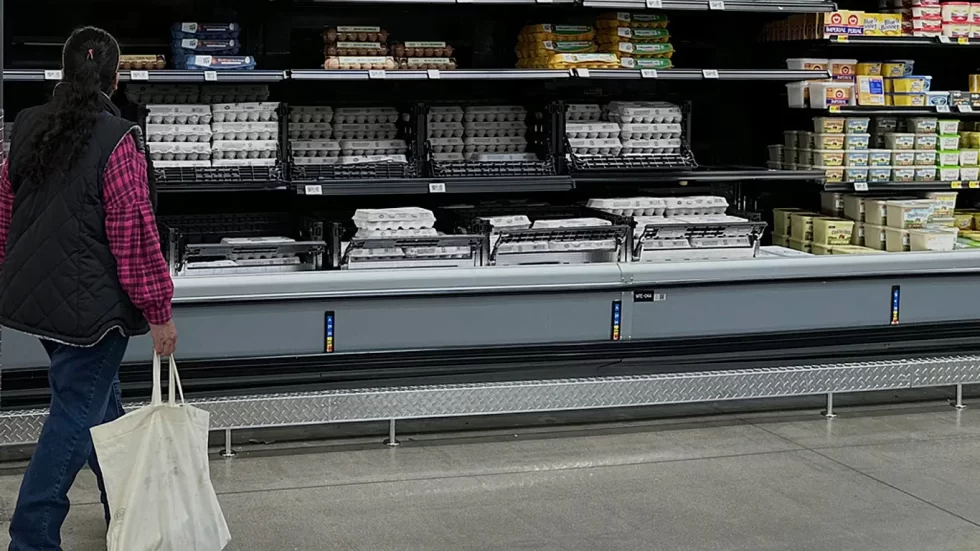
Eggs have emerged as the most striking example of how sharply food costs have risen. Buying half a dozen eggs now costs Portuguese consumers more than two euros, a price that would have seemed excessive just a few years ago. Over the past three years, egg prices have climbed roughly eighty one percent, far outpacing wage growth and general inflation. What was once considered one of the most affordable protein sources has become noticeably more expensive, particularly for families that rely on eggs as a staple ingredient.
This rise reflects a combination of factors. Higher animal feed costs, energy prices and transport expenses have all contributed. Producers also face stricter welfare standards and higher operational costs, which are increasingly passed on to consumers.
Monthly grocery bills continue to creep higher
The additional seventeen euros per month may not sound dramatic at first glance, but over a year it represents more than two hundred euros in extra spending for an average household. For families already managing rent increases, energy bills and higher interest rates, food inflation adds another layer of financial stress.
Supermarket baskets show that price increases are not limited to one or two items. Dairy products, bread, cooking oils and fresh produce have all seen noticeable rises. Even when promotional discounts are available, the base prices remain elevated compared to previous years.
Why food prices are not coming down quickly
Unlike fuel or electronics, food prices tend to be slow to fall once they rise. Supply chains adjust gradually, and producers often need time to recover losses incurred during periods of high costs. Climate related disruptions, from droughts to heat waves, have also affected agricultural output across southern Europe, limiting supply and keeping prices firm.
In Portugal, reliance on imported feed and energy makes the food system particularly sensitive to global price movements. Currency fluctuations and transportation costs further complicate efforts to stabilize prices quickly.
How households are adapting their shopping habits
Portuguese consumers are changing how they shop in response to higher grocery bills. Many are switching to private label products, reducing purchases of premium brands and buying fewer non essential items. Bulk buying and careful meal planning have become more common, as families try to minimize waste and stretch their budgets.
Some shoppers are also turning to local markets, hoping to find better value on fresh produce, while others are cutting back on protein consumption or choosing cheaper alternatives to meat and eggs.
What this means for the year ahead
Looking forward, food prices are expected to remain high, even if the pace of increase slows. Any meaningful relief is likely to be gradual rather than sudden. For policymakers, the challenge lies in balancing support for producers with protection for consumers, especially lower income households that spend a larger share of their income on food.
For now, Portugal’s grocery inflation serves as a reminder that cost of living pressures are not evenly distributed across the economy. Even as inflation headlines soften, the supermarket checkout tells a more persistent story for everyday families.