Renewables Take Over Portugal’s Power Scene
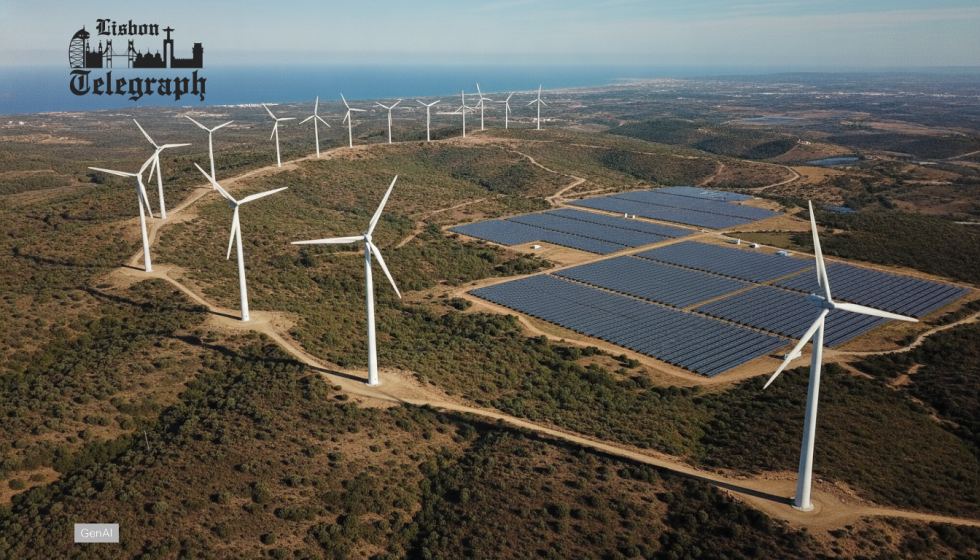
In May 2026, renewables were no wallflowers. According to APREN, they supplied 72.7% of Portugal’s electricity. APREN also noted a hefty 79-hour interval where renewables carried the load without fossil backups. This was a juicy bit of chaos for operators testing their skills in dispatch, balance, and interconnect management amidst volatile outputs.
Market players kept their eyes peeled on shifting price formations during abundant renewable intervals and monitored how reserve needs adapted. This month tossed another bone into the data pile for planning storage and demand response as the merry dance of high renewable shares becomes more frequent.
APREN’s Figures Under the Spotlight
As per APREN, 72.7% of output came from a mix of hydro, wind, solar, and biomass. But beware, weather variability is the puppet master in the short term. They flashed the 79-hour renewable marathon as a badge of honor for operational capability.
While Portugal skips to a green tune, others follow suit. Check out the Vatican’s solar escapades. UNEP’s Global Resources Outlook 2024 throws light on global resource squabbles, providing context for system planners.
Impact on Energy Independence
Guess what? More renewables mean fewer fuel imports and a shift from commodity risks to weather-driven drama. Despite no specific import savings published APREN, it’s a fair bet that peak renewable hours ease the trade balance.
The shift brings security questions—how solid is the grid and regional interconnections? Build-out enthusiasts are eyeing permits and connecting queues. As connections pile up, folks focus on congestion control, reactive power, and grid robustness.
Sustainability Goals and the Road Ahead
May’s performance touts national target viability, but the future rests on investment savviness. APREN argues that predictable auctions and access rules keep costs in check, particularly for hybrid projects linking storage with generation. Talk at government planning meets circle around transmission, distribution, and speedy licensing.
A big share in one month isn’t a blanket success. The Emissions Gap Report 2023 UNEP suggests the power sector gains need to be replicated across other sectors to see real emission cuts. The heat, transport, and industrial sectors will have to plug into cleaner grids.
Challenges Ahead
Running a sun-and-wind system isn’t all sunshine. Curtailment risk and grid capacity niggles still loom, as APREN cautions. And during lulls? Flexible capacity and demand response must rise to the occasion.
Market design’s another beast—price dips during peak renewables can dull the shine of revenue signals unless markets morph. Yet, May’s 79-hour feat unearthed possibilities for operators and investors. For deeper insights, dive into Portugal’s Renewable Energy Tug-of-War and AI Electricity Forecasts to 2050.