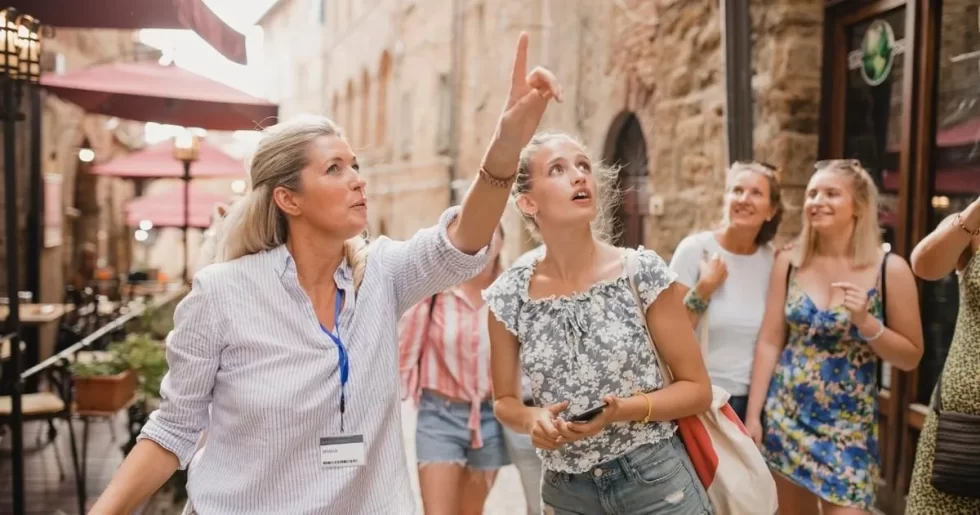
Lisbon has always impressed visitors with its charm, history, and friendly atmosphere, but the city’s newest attraction has created a different kind of surprise. AI-powered tour guides are now appearing in museums, hotels, and popular sightseeing spots, offering flawless Portuguese explanations with remarkable accuracy. The only problem is that these guides refuse small talk. Tourists expecting warm conversation and casual chats end up receiving direct, polished information with no extra comments, jokes, or personal stories. The contrast between perfect language skills and zero social interaction has left many visitors both amazed and slightly puzzled.
These AI guides were designed to provide clear, consistent information while avoiding misunderstandings common in multilingual tourism. While they excel at delivering facts, they lack the relaxed friendliness travelers expect from human guides. Visitors find it amusing that the AI can describe architectural styles flawlessly but refuses to answer simple questions like how its day is going. The experience has sparked conversations about the limits of technology in a city known for its warm and welcoming people.
Why AI Tour Guides Master Language but Not Conversation
The most important reason AI guides sound perfect yet feel distant is the way they are programmed. Their creators focused heavily on accuracy, pronunciation, and cultural detail. These systems are trained to give structured answers, ensuring travelers receive reliable information without mistakes. But natural conversation requires spontaneity, humor, and emotional reading, which are much harder for AI to replicate. As a result, the guides speak beautifully but respond awkwardly when asked anything outside their programmed topics.
This contrast becomes even more noticeable in a social city like Lisbon. Visitors expect casual interactions, especially in places where human guides normally share personal stories or offer recommendations. The AI guides, however, stick strictly to their script. They refuse to answer unrelated questions or chat about the weather, leading many tourists to laugh at how serious the machines sound. While the technology is impressive, it highlights the gap between fluent communication and meaningful connection.
How Tourists React to the New Digital Experience
Tourist reactions range from fascination to mild frustration. Many find the AI guides entertaining because of their confidence and precision. They record videos of the machines delivering detailed explanations without a single mistake. Others feel confused when they try to engage more personally and receive the same formal tone every time. Some visitors even attempt to test the AI with unexpected questions, only to hear polite refusals or redirections back to the main tour topic.
Despite the confusion, the novelty draws attention. Travelers enjoy telling stories about how the AI refused to discuss lunch recommendations or complimented them with the same phrase every time. For many, the strange combination of human-like voice and robot-like personality becomes a memorable part of their visit. The experience also helps people appreciate the social warmth that human guides bring to tours.
How Local Businesses Are Using AI to Improve Tourism
Businesses adopting AI guides explain that the goal is efficiency, not replacing human interaction entirely. These systems help handle large crowds, offer multilingual support, and reduce waiting times. Hotels, museums, and historic sites use AI to provide information instantly, especially when staff members are busy. The technology ensures that every visitor receives accurate guidance without language barriers.
However, these companies acknowledge the limitations. Many still keep human guides on staff for deeper conversations, storytelling, and personalized experiences. The AI serves as a supporting tool rather than a full replacement. blending technology with human presence, businesses hope to offer both convenience and authenticity. The experiment is part of Lisbon’s broader interest in smart-city solutions while staying true to local culture.
What This Means for the Future of Human Interaction in Travel
The rise of AI tour guides raises bigger questions about how technology should shape the tourism industry. While machines can handle facts and directions easily, emotional connection remains a uniquely human strength. Travelers value stories, humor, and spontaneity, none of which AI can recreate convincingly. Lisbon’s experiment shows that technology can enhance experiences, but it cannot replace the warmth that people bring to hospitality.
As AI tools become more advanced, developers may try to add better conversational abilities, but true human interaction remains difficult to program. Lisbon’s example may inspire other cities to use AI carefully, balancing innovation with human touch. For now, the best tours still seem to come from guides who can laugh, share memories, and adapt to the moment.
Conclusion
AI tour guides in Lisbon impress visitors with perfect Portuguese and flawless explanations, but their lack of small talk highlights the limits of technology in social settings. While they offer efficiency and accuracy, human warmth remains essential for memorable travel experiences. Lisbon’s blend of innovation and tradition shows that meaningful connection is still something machines cannot replace.