Why the Strait of Hormuz Matters
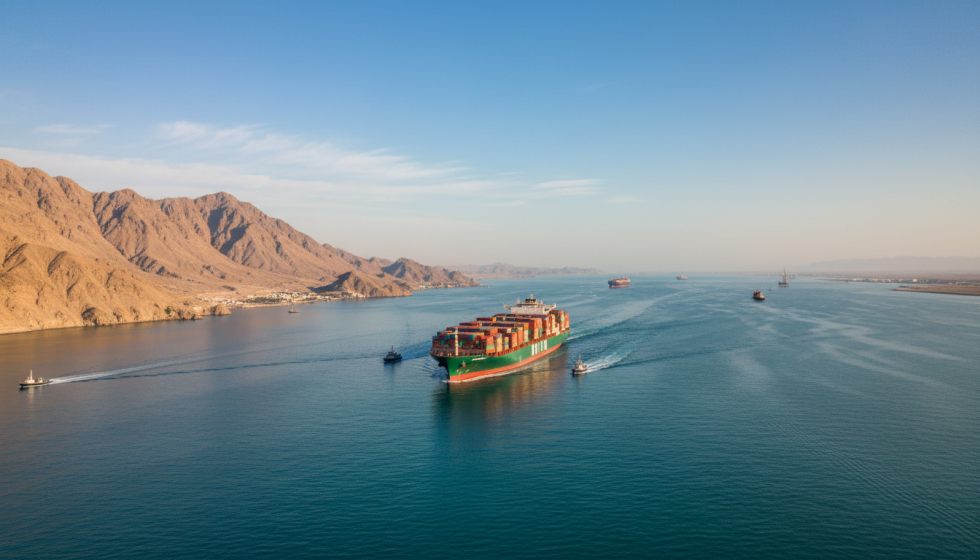
Strait of Hormuz shipping is being treated carriers and charterers as a risk priced minute minute, rather than a background assumption. The corridor is narrow, heavily surveilled, and central to Gulf exports, so even a single warning can ripple through freight, insurance, and fuel costs in hours. Today, ship operators are not debating whether the strait is strategically vital, they are recalculating exposure, reroute options, and contractual penalties if transits slow. Live monitoring from bridge teams and security advisors has become standard as vessels approach the traffic separation scheme. An Update from regional naval forces or port agents can change a captain’s decision on speed, convoy timing, and whether to stage outside the area rather than proceed directly through.
Impact of the US-Iran Ceasefire
The US-Iran ceasefire has reduced the immediate probability of a large-scale confrontation, but it has not removed the commercial uncertainty created when Iran signals it could tighten pressure in the strait. Market behavior is reflecting that nuance, spot rates and war risk premiums ease, then reappear when rhetoric sharpens. Today, owners are pushing for tighter clauses on delay, and cargo interests are negotiating who pays if a ship is ordered to wait offshore for security clearance. The same hedging logic has shown up across risk assets, and a similar cooling effect was noted in Bitcoin Reclaims $72K as Ceasefire Calms Markets, where traders reacted to reduced tail-risk without assuming the story was over. Live ceasefire terms matter less than how consistently they are honored at sea.
Current Shipping Conditions
For shipping lanes around the Arabian Gulf, conditions remain operationally demanding even when transits continue. Masters report longer pre-arrival checks, more frequent communications with coastal authorities, and stricter guidance from insurers on onboard security routines. An Update in threat assessments can lead to higher additional premiums, revised routing instructions, or requirements for extra lookouts, affecting crew fatigue and timing windows through the strait’s narrowest stretches. Live reporting from major newswires and regional outlets shapes the commercial narrative as much as any single incident, with carriers moving quickly to protect schedules and minimize off-hire risk. Reuters and Al Jazeera coverage has emphasized that warnings alone can disrupt planning, because charterers fear last-minute closures and the knock-on effects of even short delays.
Global Trade Implications
The maritime trade consequences extend well beyond energy cargoes, because container and bulk schedules are linked to bunker prices, port rotations, and credit costs. When the strait looks unstable, refiners and traders often widen safety buffers in procurement, and that feeds through to freight markets via stronger demand for tonnage at short notice. Live shifts in crude and products pricing can quickly translate into altered cargo flows, with some buyers drawing more from alternative suppliers while others accept higher costs to keep specifications consistent. Today, logistics planners are also watching how volatility affects insurance capacity, since tighter underwriting can constrain the number of ships willing to accept certain voyages at normal rates. For broader context on how transport markets react under stress, readers can also see reporting on route economics in Portugal’s aviation sector at SATA and TAP Rule Out Compensation Following Ryanair Exit from Routes.
Future Outlook for Maritime Routes
In the near term, the most likely outcome is continued passage with elevated risk management rather than a sustained shutdown, and that means the cost of resilience becomes a standing line item. Shipping companies are already strengthening contingency planning, from spare crew arrangements to alternative bunkering strategies that reduce time spent near sensitive waters. Live coordination with naval advisories and industry security centers will stay central, but the bigger shift is contractual, parties are re-writing voyage terms to clarify responsibility for delays caused security directives. Today, the smartest operators are treating information quality as a competitive advantage, investing in verified reporting and disciplined communications to avoid rumor-driven decisions. Independent assessments and official guidance, including material linked the BBC at BBC reporting on regional security developments, help frame the next Update in expectations for insurers and charterers.