Germany’s Troop Reduction Plans
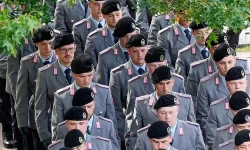
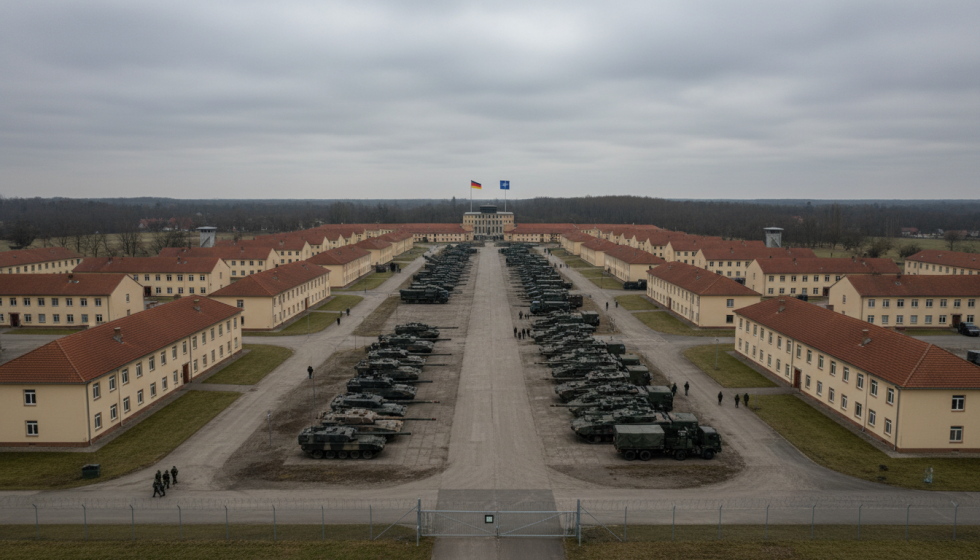
So, Berlin’s pulled the trigger on troop cuts today. This isn’t just a bit of spring cleaning in the military cupboard; it’s a full-on reshuffle of their deployment strategy, aimed at streamlining forces tied to commitments abroad. The official line? It’s all about budget and readiness. But critics across Europe are eyeing this closely, particularly in Moscow. The cuts are starting to look like a litmus test for credibility in NATO, and everyone’s holding their breath. Nevertheless, German spokespeople have reassured that all planned exercises with allies are still on, and procurement priorities? Those remain unchanged, thankfully. But NATO’s talking heads in Brussels stress the need for sharper messaging to avoid any mix-ups among partners.
US Republicans Sound the Alarm
Today, senior Republicans aren’t holding back, slamming the decision as a potential blow to Russia deterrence. They’re worried that troop numbers aren’t just about military might but about projecting political resolve. After all, hesitation can lead to diplomatic disaster. They’ve been on a media blitz, stressing the importance of a predictable NATO posture, urging Berlin to confab more closely with Washington. A recent reflection on defense debates showed up in Defense One’s analysis, revealing how commanders often dream of more capacity than they actually get. The fix? Tighten up on messaging discipline and nail joint planning.
Shifting NATO Dynamics and Security Risks
Alliance planners are all ears today, watching how Germany’s announcement could rattle existing contingency plans. The worries are real, especially in areas where Germany has been a key player, like logistics and air defence. Diplomats are biting their nails over mixed public statements creating more chaos than the cuts themselves. Sounds familiar, right? If public burden-sharing debates flare up now, it could jeopardise NATO’s already shaky unity on funding. For more on the political signalling landscape, check out Pope Leo XIV’s upcoming meeting with Rubio, a reminder that high-profile talks can sway allied sentiment even outside military discussions. European insiders have reiterated that any reassurance steps on the eastern flank will hinge on solid timelines and commitments.
The Legacy of Germany’s Military Choices
Today, policymakers are diving back into the archives, scrutinising how past decisions on force structure have boxed Germany into this corner, complete with readiness gaps that the parliamentary watchdogs love to criticise. Over the years, the Bundestag’s defense commissioner has used annual gripes to push the government on gear availability and personnel shortfalls, which only stirs public debate more. The lesson? Once the ball’s rolling downhill, reversing decisions isn’t quick—a whole training pipeline and procurement saga can slow progress to a crawl. Check the dynamics of ongoing European diplomacy in EU leaders gathering in Armenia while Russia watches closely, where they tried to balance security priorities with the need to be sensitive to regional tensions. A recent word from German defense insiders hinted that any troop reductions would be accompanied smart modernization to keep operations on track.
The Road Ahead: Opportunities and Diplomatic Fallout
Diplomats are keeping a close watch on whether Berlin and Washington can channel this spat into actionable changes—think clearer deployment schedules and more conspicuous joint exercises. The immediate challenge? Keeping communication on point because NATO’s strength lies in coherent messaging. With US Republicans and European officials all in a twist over statements, there’s a silver lining: some voices suggest that if Germany’s cuts come with actionable plans—like readiness indicators and quicker procurement timelines—it could save face. Another update from transatlantic contacts points out the necessity of framing cuts as a smart restructuring, not a panic-driven retreat. For now, both sides are putting a premium on consultations to ensure deterrence messaging doesn’t go off the rails.