UN Health Agency Responds to Hantavirus Fears
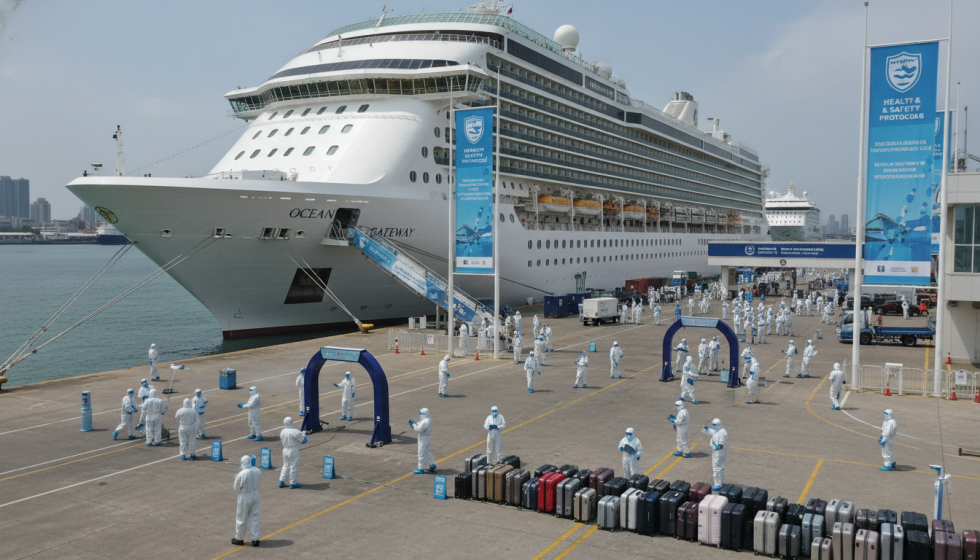
In a race against market panic, officials leapt into action after a cluster of illnesses sprang up on a cruise ship. The UN’s health wing, WHO, made it crystal clear: this isn’t a pandemic threat. The locals should chill, because hantavirus spreads way differently than your typical airborne outbreaks. Right now, public health squads are keeping a keen eye, treating the situation as serious but under control, with isolation and contact tracing ramping up. Port health authorities are also combing through sanitation logs and pest control records like they’re auditioning for a detective drama, while passengers get tested for respiratory symptoms. They’re not taking any chances.
What Makes Hantavirus Different from Covid-19?
WHO’s been vocal about this: hantavirus infections usually spring from dodgy contact with rodent pee, droppings, or saliva, not from one person passing it to another. That’s a crucial difference from Covid-19. Ship medical staff have upped the ante checking cabins, storage spots, and food prep areas, while also asking symptomatic passengers all the right questions. For those pondering parallel public messaging, consider this: Pope Leo XIV Meets Marco Rubio in Vatican Talks—a little reminder that communication precision is vital in a crisis. Monitoring is fixated on the signs and symptoms of infection, rather than worrying about mass outbreaks across the decks.
Cruise Ship Outbreak’s Ripple Effect on Tourism
Travel operators are sweating bullets watching their booking trends, because reputational damage can hit coastal economies like a bad hangover. Multiple European agents told Reuters they’ve noticed a spike in customer queries about onboard medical protocols and refund policies, with insurers now rethinking how they label communicable disease exclusions for cruise products. This hantavirus mess isn’t landing at a good time either, with summer just around the corner for Portugal and Spain. Those port calls and shore excursions are the lifeblood for local retailers and hospitality. You can check out Falesia Beach Ranked Among Europes Best—a reminder of how sensitive demand is when a headline makes waves. Cruise lines are scrambling to reassure everyone about cleanliness and onboard medical facilities.
Practical Tips for Cruise Passengers
Passenger guidance has shifted from pure panic to practical measures that actually work. WHO’s advice focuses on dodging those pesky rodents and their mess, making sure enclosed spaces get a breath of fresh air before being cleaned, and employing protective gear for high-risk tasks. This all translates to stricter hygiene protocols onboard. The response to the hantavirus outbreak has meant beefed-up inspections of food stores and waste disposal, with pest control records getting a close inspection before passengers hop aboard again, according to various reports. Transparent communication with customers is crucial; they need clear directions on symptom reporting so medical teams can swoop in for early assessments. Patrons are getting the lowdown on where to access care and how sanitization is handled between guests.
What This Means for Global Health Policies
Looking beyond the immediate crisis, regulators and money men are keenly observing how cruise operators handle health compliance and planning for contingencies. An update from the US Federal Reserve touched on how evolving bank supervision could shift credit costs for businesses in the travel industry—money talks, right? For a relevant nugget, check out Agencies finalize changes to enhance community bank leverage ratio, which illustrates how rules can affect lending prospects for mid-sized firms serving ports and the travel chain. This cruise outbreak has underscored the importance of standardized health protocols, consistent passenger transparency, and sanitation records that are ready for inspection. The dialogue around policy is ramping up, focused on keeping ships sailing smoothly while still safeguarding public health without sending everyone into a panic.