Dark Skies and Ash Clouds
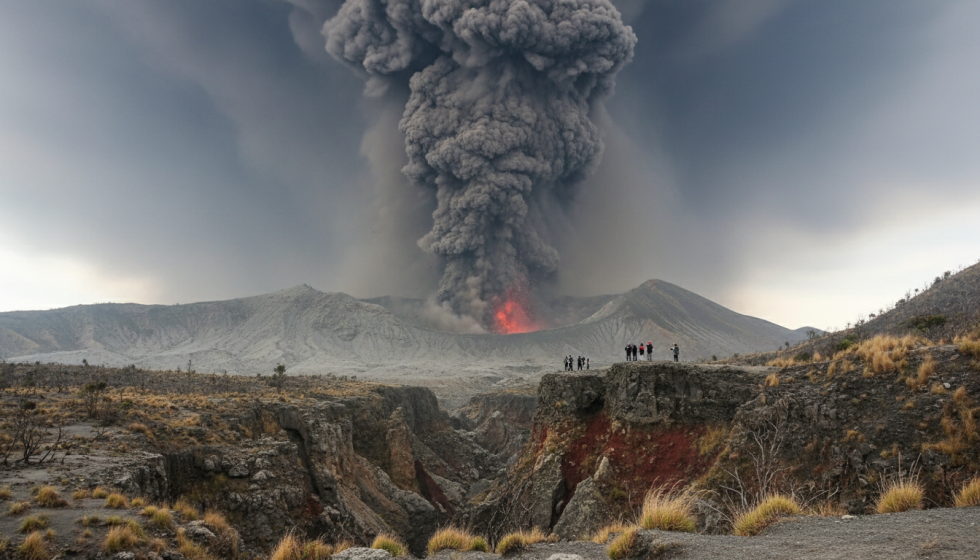
Residents around Halmahera woke up to a sky that looked like a scene from a horror film. As Mount Dukono erupted, ash filled the air, and local monitoring posts scrambled to report ever-changing conditions. Observers shared details about shifting ash clouds, thickening unexpectedly with the whims of the wind. The eruption’s immediate concerns? Visibility, air quality, and ash fall that could wreak havoc on transport routes. Indonesia’s Center for Volcanology and Geological Hazard Mitigation (PVMBG) had their hands full issuing updates and urging everyone to heed exclusion advice. Live reports from nearareas revealed a stench of sulfur and a fine layer of grit covering rooftops—definitely not the morning surprise anyone wanted. Authorities added a cheeky reminder: when the winds blow right, ash can hitch a ride far from the crater.
Life in the Ash Zone
Downwind villages are living in a real-life episode of *Survivor*. Daily routines have been thrown into disarray, with fine ash blanketing courtyards and clogging water containers. Local clinics are sounding the alarm, urging people to limit outdoor escapades. Health workers are pushing masks and goggles like it’s the new fashion trend for commutes, while drivers gingerly navigate slick, ash-coated roads. A separate update from disaster officials had a laundry list of to-dos: check drinking water sources, clean gutters, and avoid blockages. The PVMBG reiterated that the ash could play havoc with lungs, especially for little ones and the elderly. For a comparison of public messaging during crises, take a peek at Pope Leo XIV’s First Year, a Mission of Unity. And let’s not forget the community radio broadcasts warning folks to steer clear of river valleys that might channel volcanic junk during downpours.
Government’s Game Plan
While chaos brews, government agencies are playing it cool—focusing on warnings, transport coordination, and offering protective guidance instead of a full-on evacuation. The National Disaster Management Agency (BNPB) rolled out an update suggesting local authorities prepare shelters and distribute basic necessities if ash fall intensifies. Communicating clearly is the name of the game. Aviation notices zoomed through the usual channels to keep pilots out of dangerous airspace—because let’s face it, engines and ash don’t make a happy couple. Environmental agencies chimed in, referencing broader readiness frameworks to illustrate how communities can dodge airborne pollution. The response also included a nudge for district officials to clear roads where visibility took a nosedive. Monitoring continues like a hawk, ensuring rapid advisories are accessible.
Dukono’s Volcanic History
Officials are rolling out history lessons, framing the eruption within the volcano’s long-winded saga of intermittent activity. Knowing the past is crucial for grasping what might come next—without downplaying current threats, of course. PVMBG has previously noted frequent emissions at Dukono. Briefings highlighted the last eruption, reminding everyone that explosive ash bursts can happen on a whim. Volcanologists stressed that sustained ash fall poses a bigger risk for towns than lava flow, all depending on wind and rain. This eruption is also reviving conversations about how those pesky, repeated bursts can hammer crops, roofs, and air quality over time. For more on public service communication, check out Portugal, Italy Keep Digital Checks for UK Travellers. Monitoring teams are still scanning for changes in tremor patterns, and live status reports are the key to timely public guidance.
Keeping Safe in the Ash Storm
Travel operators and village leaders are all about practical safety steps, aiming to keep the panic at bay while navigating ever-shifting visibility and air quality. Local officials are sounding the horn: tourists need to respect exclusion zones and avoid ridge routes that might channel volcanic gasses. Ash can be a real irritant, messing with lungs and eyes, hence health agencies are pushing well-fitted masks and advising against contact lenses during heavy ash fall. Another update nudged residents to keep doors and windows tightly shut when emissions peak, and to use damp methods for cleaning ash to prevent it from becoming airborne again. Live alerts are the way to go, ensuring travelers can adapt ferry and road plans as conditions flip. And naturally, disaster messaging is reminding everyone to keep children indoors when ash falls turn relentless in North Maluku.