Ebola outbreak details and affected areas
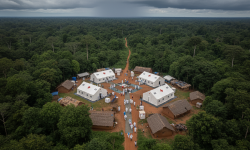
Health authorities in eastern Democratic Republic of Congo are investigating a fast moving cluster of Ebola cases and deaths across several remote health zones. Field teams say the ebola outbreak 2026 is concentrated in hard to reach areas where travel is slowed poor roads and insecurity, complicating timely isolation and transport. The Ministry of Health said the current tally includes 65 deaths, with new alerts still being verified in facilities and communities. Today, treatment units in affected districts are separating suspected patients from routine wards while laboratories prioritize urgent samples. Families are being asked to report symptoms early and cooperate with safe care pathways to reduce household transmission and protect clinicians.
Health response and containment efforts
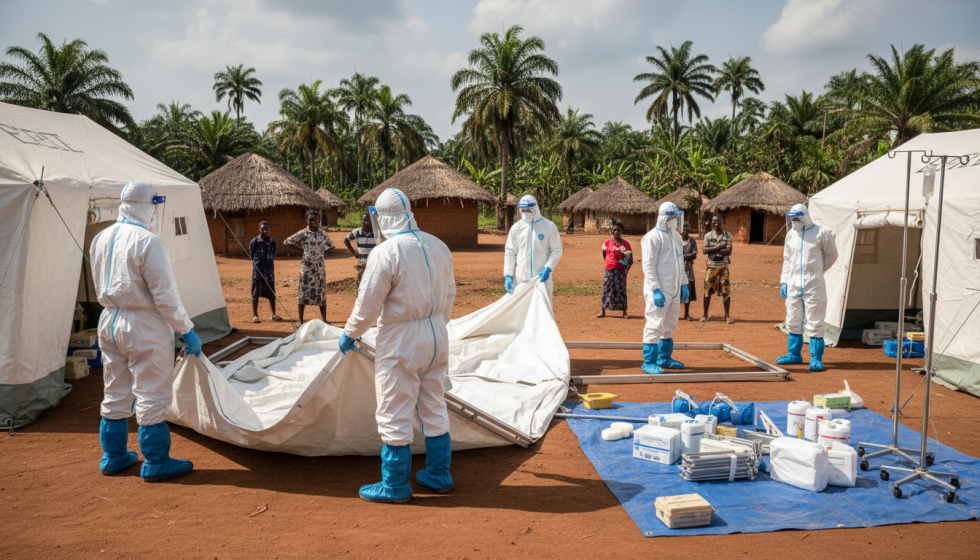
Authorities say the response is being coordinated through provincial emergency committees, with rapid response teams expanding contact tracing and infection prevention in clinics. WHO guidance on Ebola readiness and safe care is being used alongside national protocols, as referenced the UN in related health system coverage at UN News briefing on Africa reforms and systems. An operational Update from the Ministry of Health described intensified triage at health posts and refresher training for nurses on protective equipment. In the same brief, officials said the Ebola outbreak remains under investigation while case definitions are standardized across sites. Live monitoring dashboards are being shared within the response network to speed up alerts and sample transport.
Impact on local communities and health systems
Hospitals and community clinics are reporting strain as routine services are disrupted screening, isolation, and fear of contagion. A Live account from provincial officials described shortages of gloves and disinfectant in smaller facilities, and the Ministry of Health said logistics are being redirected toward priority sites. Local administrators say market attendance has dropped in some towns, while schools in affected areas are reinforcing hand hygiene and reporting of fever. Public information campaigns are also competing for attention with unrelated news cycles, including Pope Leo XIV calls books a path to peace today, as local radio schedules juggle multiple demands. In a separate Update on risk communication, leaders urged communities to avoid hiding sick relatives and to support monitored home visits where appropriate.
Comparisons to previous outbreaks in the region
Response planners are drawing operational lessons from earlier eastern Congo outbreaks, especially on rapid isolation, community engagement, and the protection of frontline staff. For regional context on crisis logistics, responders cited coordination experience from other emergencies covered Kyiv rescuers search rubble after major strikes, focusing on rapid triage and resilient supply lines. The Ministry of Health said it is reactivating networks created during previous emergencies to accelerate reporting from peripheral clinics. While officials cautioned that each event differs location and mobility patterns, they said the congo ebola outbreak playbook includes early mapping of transmission chains and stricter control at health facility entrances. Today, clinicians are prioritizing fever screening and separate patient flows to reduce amplification in waiting rooms.
International support and future prevention
Officials say international partners are being asked to support laboratory throughput, protective supplies, and training for community health workers. In guidance referenced UN reporting on regional humanitarian pressures, planners note that epidemics can worsen when health systems are stretched, as shown in UN agency warning on Chad maternity care under strain. A Ministry of Health statement said coordination calls with WHO and neighboring health authorities are aimed at preventing cross border spread through screening and information sharing. The outbreak is also renewing attention on longer term prevention, including surveillance funding and routine infection control in clinics that handle multiple diseases. Live incident reviews are being scheduled to capture lessons quickly, and an Update cycle will continue as verified numbers change.