Portugal heat wave: red alerts cover several regions
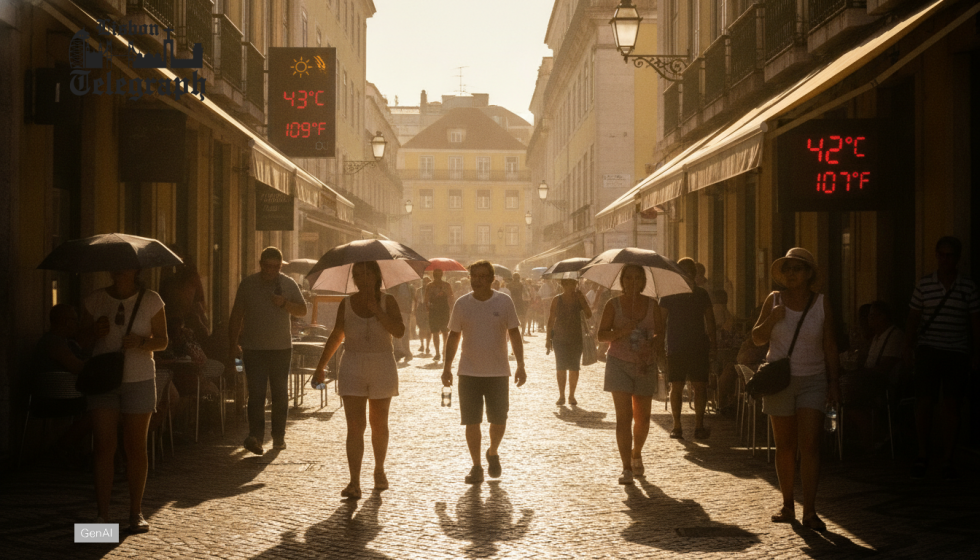
The Portugal heat wave has pushed meteorological warnings higher as temperatures climb across multiple districts. Authorities are frantically labeling this episode as an extreme weather event with elevated health and wildfire risk, urging residents to dodge strenuous outdoor activity and plan travel around the sizzling hours. According to available reports from Euronews, Portugal is under a red warning alongside a wider state of alert, with civil protection messaging focused on hydration, shade, and checking on vulnerable people. Local councils in Lisbon and neardistricts have repeated guidance for older neighbors and those with chronic illness, and employers have been reminded to reduce heat exposure on worksites.
Public services adjust hours during the Portugal heat wave
Municipal services have adjusted routines to reduce staff exposure and keep essential functions operating during peak heat. In Lisbon and neardistricts, crews have shifted some outdoor work to earlier hours, while public health units have reinforced heat-related triage protocols and advice lines. Operational updates have tracked closely with Lisbon heatwave triggers red alert across key districts as agencies coordinate public messaging and cooling guidance. Service managers have also cited mid-afternoon peak risk windows when planning work rotations.
For a broader view of how institutions manage risk under fast-moving conditions, readers sometimes compare planning frameworks with ENJ Rally and NFT Investments: Managing Risk. Regional authorities have also warned that transport and utility assets can face disruption when heat stresses equipment, and civil protection has asked the public to avoid behavior that increases ignition risk in dry areas. Guidance has been circulated to workplaces in Lisbon and surrounding municipalities to reduce exposure during the hottest hours.
State of alert measures and safety guidance
National and local officials have emphasized prevention, with civil protection teams prioritizing rapid detection and response capacity where heat and dry fuels converge. Messaging has targeted residents and tourists alike, urging regular hydration, rest breaks in shaded areas, and scaling back outdoor exercise during the hottest hours. Euronews noted that the state of alert enables coordination across agencies and supports operational readiness in affected districts, including strengthened patrols and tighter controls on high-risk rural activities.
Officials have also reinforced restrictions tied to extreme weather, including heightened vigilance around activities that can spark fires. To contextualize how extreme conditions can drive evacuations elsewhere in Europe, the BBC detailed Wildfire in southern France forces evacuation of 10,000 people while Portuguese authorities stress that fast compliance with warnings can reduce injuries and prevent small ignitions from spreading. While impacts differ location, authorities note that dry vegetation and hot winds can accelerate fire spread during the current hot spell in Portugal.
How this event compares with recent heat episodes
Meteorologists have cautioned that recurring heat extremes are increasingly shaping summer planning, even as each episode has its own geographic footprint and timing. This latest bout of high temperatures is being discussed against a backdrop of prior hot spells that strained hospitals and increased wildfire danger, though officials have avoided overstating comparisons without complete seasonal data. Reporting has emphasized how synoptic patterns over Iberia can sustain high maximum temperatures and warm nights, increasing cumulative stress on vulnerable groups.
Analysts also point to the way heat interacts with urban form, where dense neighborhoods retain warmth after sunset and raise nighttime risk. Additional context on the wider regional pattern has been summarized in Europe heatwave temperatures push Portugal on alert, highlighting similarities in hazard communication across borders. Public health messaging during the Portugal heat wave continues to focus on practical steps that reduce exposure over multiple consecutive hot days. In Lisbon, officials have pointed to warmer nights in built-up areas as a compounding risk factor for older residents.
Forecast outlook and longer term heat preparedness
Forecast uncertainty remains, but agencies are monitoring whether high temperatures persist long enough to compound health risk and pressure on emergency services. Officials have urged residents to follow the Portuguese Institute for Sea and Atmosphere guidance, and to treat red alert periods as a time to reduce exposure and reassess routines. In the Portugal heat wave, local responders have also tracked call volume patterns to anticipate where demand may rise as heat lingers. The prolonged heat has renewed attention to longer-term preparedness as extreme temperatures become a more frequent constraint for cities, healthcare systems, and rural communities.
Climate researchers note that warmer baseline conditions can make severe heat more likely, increasing the value of early warning systems, shaded public spaces, and targeted outreach to at-risk groups. In practical terms, planners are watching for repeat episodes that could stretch response capacity, particularly when heat aligns with elevated wildfire potential. Emergency managers have referenced recent summer seasons across Iberia when extended hot spells increased pressure on ambulances and local clinics. Officials continue to emphasize early action and avoiding the hottest hours as among the most effective ways to cut preventable harm.