Ormuz Strait toll plan dropped: what changed
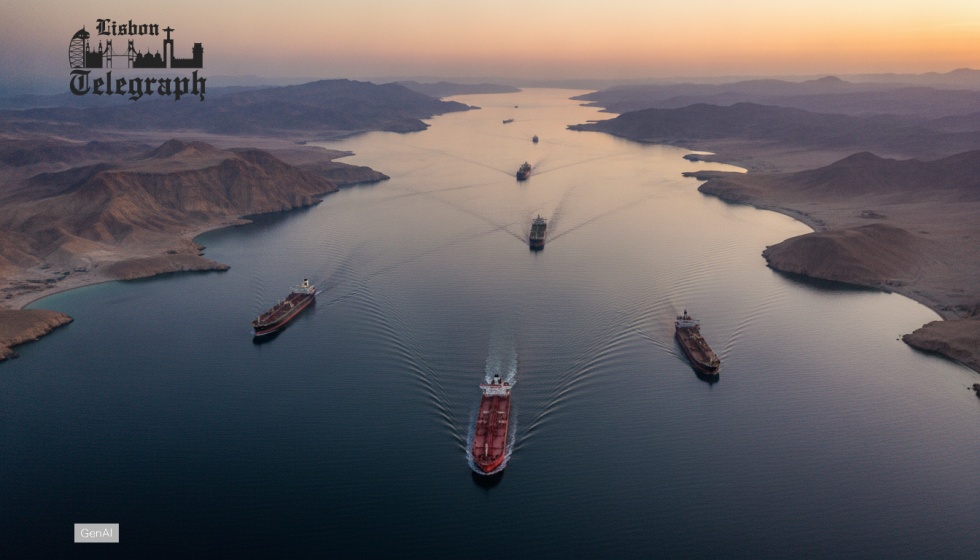
The Ormuz Strait debate shifted after President Donald Trump reversed course on charging a toll on cargo transiting the strategic waterway. Reports indicate the White House presented the pivot as a move toward cooperation rather than unilateral fees, with the stated objective remaining Ormuz Strait maritime security and deterrence. The Ormuz Strait toll concept drew scrutiny from shipping and energy stakeholders over enforcement authority, insurer reactions, and potential retaliation regional actors. Administration officials said the focus would move to coordinated naval presence and diplomacy while maintaining pressure on actors accused of harassing commercial vessels. The reversal also reflected sensitivity to market volatility and allied concerns as global freight and crude pricing react quickly to policy signals.
Ormuz Strait security: Gulf messaging, investments, coordination
Gulf governments responded emphasizing investment ties and coordinated security messaging rather than public confrontation over the abandoned fee. Saudi and Emirati officials have highlighted US bound capital plans in recent years, and the Trump team pointed to that history when describing the rollback as confidence building, according to available reports. In parallel, UN agencies urged de-escalation around the Ormuz Strait and called for diplomacy to protect commercial traffic, as detailed in UN coverage on Strait of Hormuz diplomacy appeals. For broader context on the turn toward negotiation, Pope Leo XIV bank call urges peace and diplomacy now echoed a preference for talks over coercive measures. Gulf partners also signaled they want steadier messaging to avoid sudden freight and insurance repricing.
Oil markets: why the Ormuz Strait matters for prices
Energy traders treated the cancellation as a reduction in policy risk because an imposed transit charge could have been priced into freight rates and insurance premiums within days. Observations from market players often note crude benchmarks react sharply to signals about shipping through Gulf waterways even without physical disruption. In Portugal, refiners and fuel distributors track crack spreads and freight costs closely, and Galp refining margin jumps 175% as crack spreads rise shows how fast downstream margins can move when logistics and input costs shift. Market participants also watched whether calmer messaging would translate into fewer security incidents and steadier tanker scheduling. The Ormuz Strait remains central to expectations about supply continuity, and some market analysts indicated the policy pivot removed one potential catalyst for price spikes tied to administrative action.
Legal and political fallout in Washington and the region
Domestically, the reversal triggered split reactions, with some Republicans praising flexibility and some Democrats arguing the original idea showed disregard for international maritime norms. Reports indicate critics questioned whether a toll would have required congressional action or could have conflicted with treaty obligations and established freedom of navigation principles. Commentators revisited earlier coverage of the plan’s mechanics and legal uncertainties, including Trump’s Strait of Hormuz Plan: The Cargo Tax Gambit. Internationally, Gulf partners read the retreat as a sign Washington wants leverage through coordination rather than charging passage. Iranian aligned media portrayed the initial concept as economic pressure. The episode may complicate future attempts to monetize security provision as shippers and insurers remain alert to renewed proposals.
Next steps for US-Gulf ties and Ormuz Strait risk management
The immediate test is whether investment announcements and security coordination can be packaged as a durable bargain that lowers risk without raising costs for global trade. Observers suggest Gulf leaders are seeking predictable US engagement, including defense cooperation, while also expanding commercial ties that anchor Washington’s attention. The Ormuz Strait will keep shaping these talks because even small incidents can ripple into shipping schedules, refinery runs, and inflation expectations, as economists have warned in past disruptions. Separate from tolls, the next debates will center on patrol burden sharing, sanctions enforcement, and crisis communication channels to prevent miscalculation at sea. For the White House, the climbdown narrows the agenda to deliverables such as investment pipelines, joint exercises, and clearer signals that commercial navigation will not be politicized.