Portugal Renewable Energy Vision for 2030
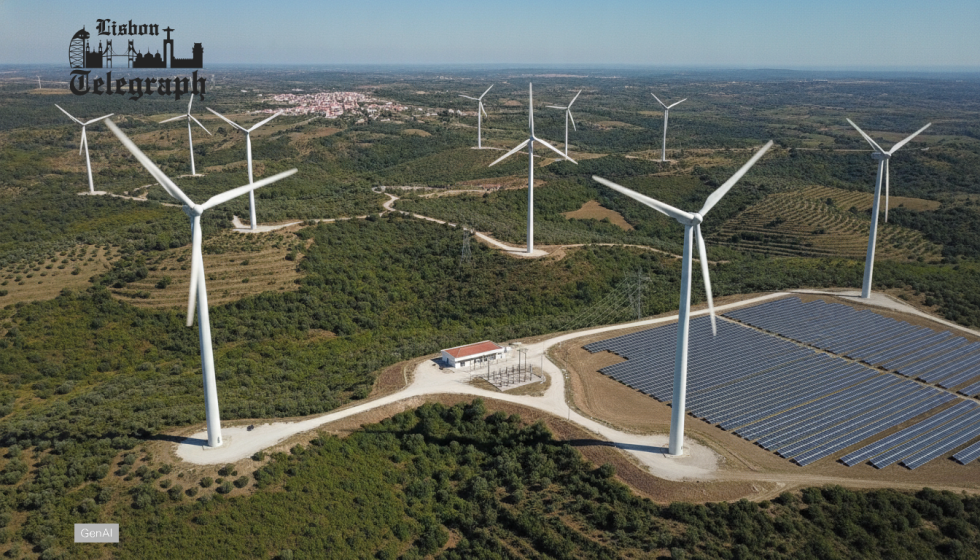
Portugal renewable energy is central to Lisbon’s 2030 climate agenda, with policymakers touting new wind, solar, and storage as key infrastructure. Reports suggest the focus is on faster permitting, efficient grid connections, and market rules to curb curtailment while keeping prices under control. According to various reports, regulators are emphasising better forecasting and resilience, aiming for energy to flow smoothly when it’s most critical. The real test? Delivering new capacity without major hiccups and whether this translates into stable prices and improved energy security for all.
Auctions, Grid Upgrades and the Crazy Race to 2030
It’s all about getting those assets in place, with procurement and development spearheaded competitive auctions and storage tenders. Reports without direct citation highlight that a transparent approach to grid management is crucial for developers seeking to reduce uncertainty. The UN Environment Programme’s Emissions Gap Report 2023 offers a stark reminder of the action needed on a global scale.
Challenges in the Renewable Energy Rollout
The obstacles are plenty: network constraints, permitting challenges, and community acceptance. Available reports often mention that the grid could struggle with demand peaks, stretching timelines. The energy market’s wild dynamics, including shifting refining margins, are dissected in Galp refining margin jumps 175% as crack spreads rise. If enhancements are delayed, as indicated stakeholders, it might slow down the ambitious energy goals.
Portugal’s Edge in Solar, Wind, and Offshore
Portugal is eyeing a top spot as a clean-power producer, boasting abundant solar and wind resources. The edge comes from scaling quickly and integrating storage and demand response to balance the grid. Sector insiders believe capital allocation decisions hinge on the speed of permits and clear grid policies. Initiatives tying environmental finance to nature preservation, like the UN’s State of Finance for Nature 2023, are increasingly highlighted in Lisbon.
Win or Lose: What’s at Stake for Europe and Consumers?
If Portugal hits its green targets, the benefits could ripple beyond its borders, potentially boosting the Iberian market and contributing to the EU’s emission goals. The government frequently asserts that aligning climate targets with an industrial strategy could empower a cleaner manufacturing base and affordable energy, but success depends largely on execution. As observed, well-paced grid and market improvements are fundamental to making these bold targets a reality.