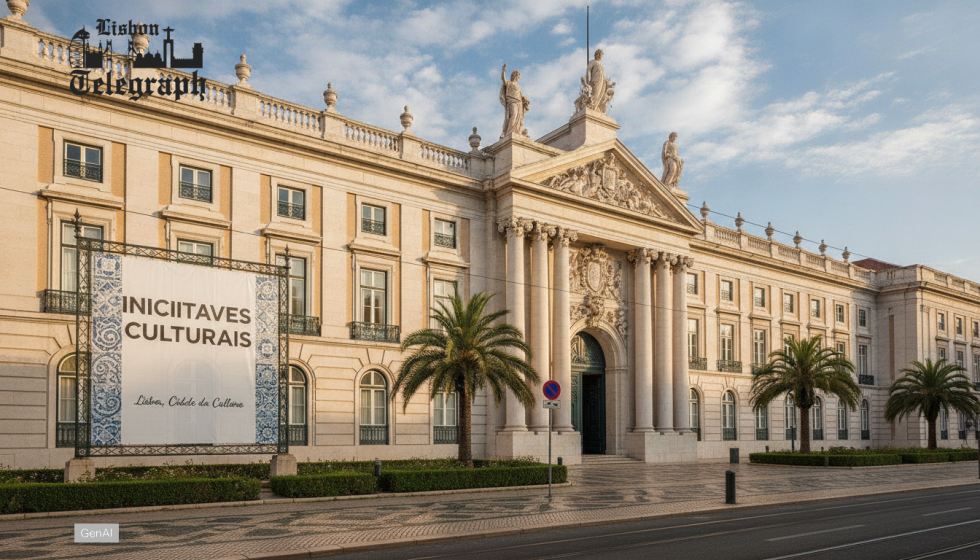
Portugal cultural patronage under renewed political focus
Portugal cultural patronage is back on the agenda after the President of the Republic called for changes that make patronage incentives more appealing to donors. In remarks carried Lusa, Marcelo Rebelo de Sousa said the lei do mecenato should be “mais atrativa” to strengthen support for artists, institutions, and programming across the country. The signal from Belém adds pressure for lawmakers to commit to tangible adjustments with measurable results, making Portugal cultural patronage a test of whether the government can implement legislation with effective eligibility rules and consistent tax treatment. Observers are keen to see if these changes will be achieved.
Current challenges in cultural funding and incentives
Public budgets remain the backbone for many museums, theatres, and festivals, but managers say planning is difficult when multi year certainty is limited. For context on how policy debates can intersect with wider civic and values discussions, readers may compare approaches in Interreligious dialogue: Koovakad on fraternity, which also focuses on building durable cooperation, and in the same Lusa coverage of the president’s comments, the message was framed as a practical response to recurring funding constraints rather than a symbolic gesture. Institutions stress that private giving is often episodic, leaving gaps between major sponsorship cycles.
What patronage law reform could change in Portugal
Political leaders and cultural representatives are converging on patronage law reform that simplifies procedures and improves incentives without creating loopholes. Within that discussion, Portugal cultural patronage is being treated as a technical matter of definitions, ceilings, and documentation, because small drafting choices can determine whether companies participate or disengage. Wider governance debates over incentives appear in other policy areas, including the financial oversight context described in CMVM warning targets Onencore and BCG Investments probe, and analysts also point to administrative friction as a barrier, since donors want straightforward recognition of eligible projects and clear proof of compliance.
Potential impact on projects if Portugal cultural patronage grows
If incentives become more competitive and easier to use, cultural initiatives could benefit first in areas that already attract corporate interest, such as touring exhibitions, heritage restoration, and city centre programming that aligns with brand visibility. However, advocates argue the measure of success should be whether reforms expand support to smaller venues, regional associations, and experimental work that rarely secures headline sponsorship. Portugal cultural patronage is expected to shape outcomes like more projects funded and fewer interruptions once a season is announced. The president’s call, as cited Lusa, puts emphasis on effectiveness, which implies outcomes like more projects funded and fewer interruptions once a season is announced. Better designed incentives could also encourage longer commitments rather than one off gestures.
How government and business may implement reforms
The next phase will hinge on drafting choices in parliament and on how ministries, municipalities, and cultural bodies implement any new rules in practice, including in Lisbon where cultural bodies often coordinate with municipal services. For a parallel on institutional continuity during disruption, see the BBC report How 100 hospitals switched to pen and paper to defeat a national cyber-attack, and government will likely be asked to define which entities qualify, how donations are valued, and how reporting is standardized so that public trust is not eroded. Private actors, from large groups to local businesses, will want stability so they can build multi year plans and integrate cultural support into ESG and community strategies. Supporters argue reforms must translate into clear guidance and enforceable criteria.