Details of the Market Attack
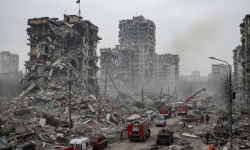
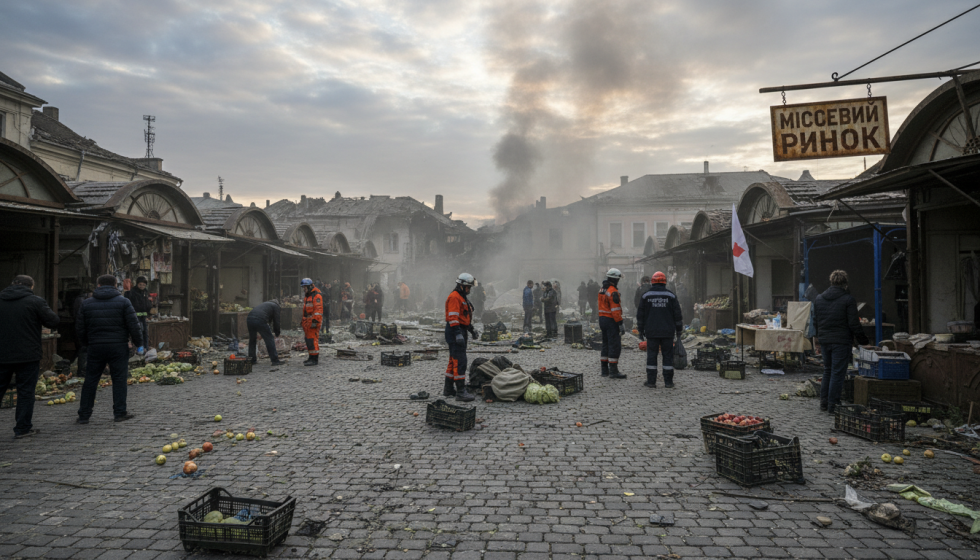
Emergency crews worked through debris after a Ukraine market attack left five dead and multiple people wounded, according to local authorities. Witnesses described a sudden blast that ripped through stalls and nearstorefronts, scattering goods across the roadway and igniting small fires that responders quickly contained. Investigators at the scene focused on fragments and crater patterns to identify the weapon used and establish the strike’s direction of travel. Medical teams triaged patients on site before transporting the most serious cases to regional hospitals, while police cordoned off surrounding streets to prevent secondary harm. Today the area remained under tight security, with residents advised to avoid the district as forensic teams completed their initial sweep.
Impact on Local Community
The market’s normal rhythm, vendors calling out prices and families shopping for daily essentials, was replaced shuttered stalls and quiet lines at donation points. Local officials said the dead included civilians who were not engaged in any military activity, underscoring the immediate civilian casualties from an attack on a public commercial space. A Live situation room operated at the municipal building to coordinate hospital capacity, blood supplies, and temporary shelter for those who could not return home. For context on how shocks ripple through markets and public confidence, readers have also followed unrelated volatility in market-cycle stress points, though residents here spoke of far more basic concerns, food access and personal safety.
Response from Ukrainian Officials
Ukrainian officials said the strike appeared consistent with a Russian drone strike pattern seen in recent attacks on civilian infrastructure, and they pledged to provide a detailed Update once technical analysis of the debris was complete. National and regional leaders condemned the incident and said air defense units had been redeployed to protect dense urban areas where commerce continues despite the Ukraine conflict. Prosecutors opened proceedings to document the fatalities and injuries, collect witness testimony, and preserve digital evidence from nearcameras. In briefings, officials emphasized that casualty figures would be verified through hospital records and identification procedures, and they urged the public to rely on official channels to limit misinformation. Today, they added, the priority remained medical care and support for affected families.
International Reactions to the Strike
International responses centered on the harm to civilians and the need for accountability when weapons hit public spaces. Diplomats cited reporting from major outlets while stressing that independent verification was essential, and several governments called for renewed efforts to protect noncombatants. A Live flow of statements circulated through foreign ministries, with condemnations paired with discussions about air defense support and humanitarian assistance. Coverage referencing established reporting, including a BBC account of recent strikes and their aftermath, has informed broader public understanding; see BBC reporting on Ukraine strike developments. Separately, officials noted that documentation from the scene could contribute to future legal assessments, depending on corroborated evidence and jurisdictional pathways.
Ongoing Conflict and Future Implications
The immediate challenge now is restoring access to essential services in the damaged district while preventing further loss of life as the Ukraine conflict continues to pressure frontline and rear areas alike. Authorities said an Update on the condition of the wounded would be released after clinicians complete overnight assessments, and municipal teams began clearing rubble to reopen critical roads for ambulances and deliveries. Analysts tracking patterns of civilian harm noted that attacks near markets can magnify disruption beyond the blast radius constricting food supply and employment for small traders. Live monitoring of air raid alerts remains routine for residents, and officials urged adherence to shelter guidance during warnings. In parallel, regional administrators said they would review protective measures around high-footfall sites to reduce exposure during future alerts.