Protest Details and Impact
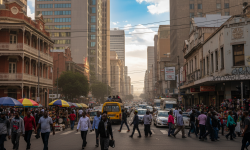
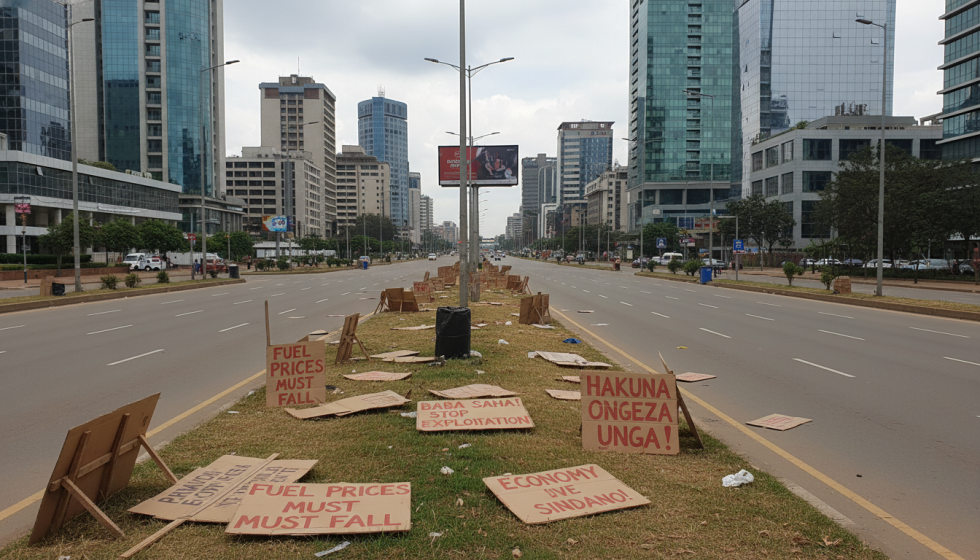
Street demonstrations spread across parts of Nairobi as commuters faced shutdowns and sporadic clashes. Today, Reuters reported that four people were killed during confrontations tied to strikes over high fuel prices, a toll that heightened anger in several neighborhoods. Police blocked key roads near central business areas while matatu routes were disrupted and some shops pulled down shutters as Live scenes unfolded on major junctions. Organizers said the action was meant to pressure leaders over transport costs and household expenses, while police urged residents to avoid flashpoints. Medics at Kenyatta National Hospital cited Reuters said they received multiple trauma cases linked to unrest. Update briefings from local officials focused on restoring movement and preventing looting.
Government Response to Unrest
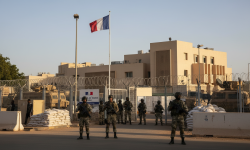
Security deployments increased around government buildings and transport corridors, with officers dispersing crowds using crowd control measures described Reuters. Interior ministry statements carried Reuters said police were responding to what officials called illegal assemblies, while urging peaceful expression and warning against property damage. In a Live policy defense, government spokespeople argued that taxes and global oil markets constrain pump prices, and they pointed to targeted relief ideas under discussion. For broader regional context on price shocks and public services, readers also track other crisis coverage such as Uganda shifts Martyrs Day to parishes in 2026 Uganda shifts Martyrs Day to parishes in 2026 as institutions manage strained budgets. Today, authorities promised an Update on arrests and investigations, including scrutiny of incidents that led to fatalities.
Historical Context of Fuel Protests
Kenya has seen periodic demonstrations when transport costs jump, and this round revived memories of earlier street pressure over taxes and staples. Analysts at the Kenya Institute for Public Policy Research and Analysis have previously warned that energy price pass through can quickly hit food inflation and urban livelihoods, a dynamic now visible in Nairobi strikes. The Kenya fuel protests have also been fueled social media mobilization that rapidly concentrates crowds at symbolic sites, complicating policing and traffic control. Live coverage from local radio described shifting hotspots as groups moved between roundabouts and markets. Opposition figures quoted Reuters framed the rallies as a response to high fuel prices and broader cost of living grievances, while government allies argued disruption harms workers. Update messaging from civic groups urged first aid readiness and de escalation.
Economic Consequences in Kenya
Disruptions hit retail and logistics as deliveries stalled and informal traders reported lost earnings during daytime closures. The Central Bank of Kenya has repeatedly highlighted inflation risks in its public communications, and economists noted that fuel costs feed directly into fares, farm inputs, and the price of basic goods. Today, business associations cited Reuters said repeated stoppages raise operating costs and can deter investment, even when strikes are short. For perspective on how public health shocks can also strain markets and services, see Central Africa fears grow as Ebola spreads in 2026 Central Africa fears grow as Ebola spreads in 2026 alongside separate regional crises. Live trading activity in Nairobi was uneven as some wholesalers opened briefly before closing again. Update statements from transport groups emphasized that fare hikes track pump prices and maintenance bills.
Potential Resolutions and Future Outlook
Negotiations now hinge on whether authorities offer near term fiscal adjustments or targeted subsidies without widening deficits. The Energy and Petroleum Regulatory Authority sets maximum pump prices and routinely explains price components in published schedules, and observers said clearer public accounting could reduce suspicion even if prices remain high. Today, faith leaders and civil society representatives quoted Reuters called for dialogue and for investigations into violence, while organizers demanded protections for peaceful assembly. Kenya fuel protests may ease if talks produce credible timelines for tax reviews, and if police restraint reduces the risk of further deaths. Live monitoring human rights groups focused on detentions and medical access for the injured. Update commitments from officials included reviewing security tactics and keeping key roads open for ambulances and essential supplies.