Satellite Images Capture Raging Fires
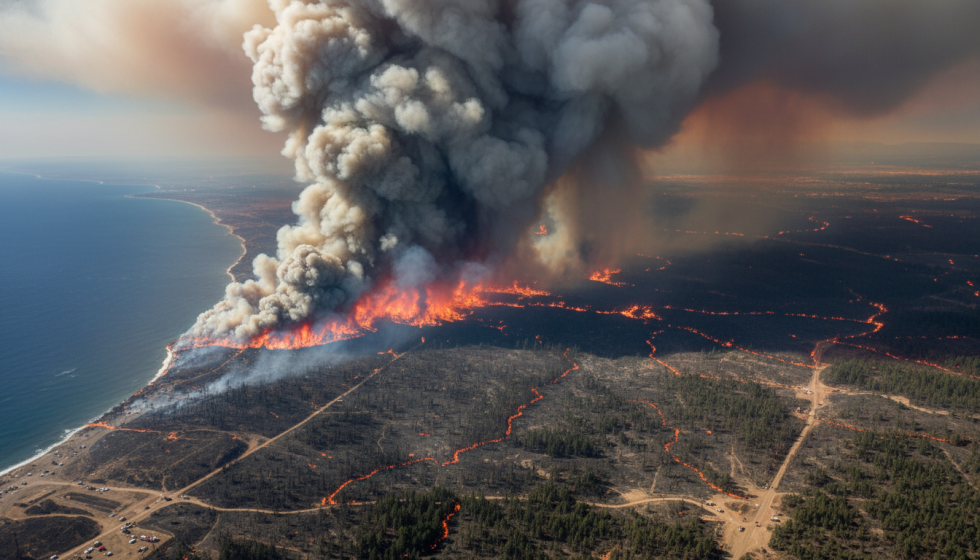
Thick smoke plumes and fast moving flame fronts were captured in fresh satellite passes as multiple incidents continued to burn across California. In the latest briefings, the California Department of Forestry and Fire Protection said infrared mapping is guiding night operations and protecting crews near shifting hot spots. Analysts tracking california wildfires 2026 said the clearest signatures appear where winds align with canyons, pushing heat and embers well ahead of containment lines. Today, Live camera feeds used incident teams were cross checked against satellite detections to confirm spread in areas hard to reach road. The monitoring supports tactical decisions on where to hold, where to pull back, and how to prioritize threatened communities.
Challenges Faced Firefighters
On the firelines, crews faced a mix of steep terrain, low humidity, and gusty conditions that repeatedly tested control lines. CAL FIRE said aerial support windows narrowed when smoke reduced visibility, forcing more work onto hand crews and dozer operators. In a morning Update, incident commanders described how spot fires can ignite far from the main edge when embers ride wind columns, complicating structure defense. Conditions described during Live briefings also highlighted fatigue risks as shifts extend and evacuation traffic increases. For context on how land use and resource pressures interact with climate stress, the UN Environment Programme outlines broader drivers in Global Resources Outlook 2024. Today, supervisors said coordination across agencies remains essential when multiple fires compete for aircraft and engines.
Impact on Local Communities
Evacuation orders and air quality alerts expanded as smoke pushed into valleys and urban corridors, with local health departments urging residents to limit outdoor exposure. County officials said shelters and assistance centers were scaled up to handle displaced families, while schools adjusted schedules as conditions shifted. In one field Update, public information officers said california wildfires 2026 messaging focuses on verified routes and rapid notification so residents do not drive into closures, and community leaders also pointed residents toward non emergency services and broader civic information, including US Bishops to Consecrate Nation to Sacred Heart. Live radio traffic monitored dispatchers reflected frequent changes in road access and power safety shutoffs. Officials said the immediate priority is keeping evacuation corridors clear and preventing smoke related medical spikes.
Environmental Consequences
Beyond the perimeter, the impacts include heavy smoke, wildlife displacement, and runoff risks once rains return to burned slopes. Air district statements said particulate pollution can travel far beyond the flames, prompting advisories even in communities miles away. In operational summaries, CAL FIRE noted some burn areas overlap sensitive watersheds, raising concern about debris flows and sediment loading after intense burns, and UNEP details climate accountability in the Emissions Gap Report 2023. A separate Update from local resource agencies emphasized rapid assessment of damaged habitat and the need to protect drinking water infrastructure, including reservoir intake sites used municipal systems. Today, monitoring teams also tracked where ash deposits could affect reservoirs and treatment systems.
Future Mitigation Strategies
State and local officials said the current response is informing changes in prevention, fuel treatment, and public warning systems ahead of the next wind driven outbreak. CAL FIRE has repeatedly stressed that prescribed burning, defensible space enforcement, and grid hardening can reduce the most destructive outcomes, but only if scaled and coordinated. In a planning Update, analysts said lessons from the 2021 california wildfires are being applied to evacuation modeling and community outreach, especially where the gifford fire california experience reshaped local readiness, and DR Congo Ebola response strained conflict zones illustrates how strained systems can falter under pressure. Live exercises with emergency managers are also being expanded to test communications when cell towers fail. Today, officials said the aim is faster detection, safer home hardening, and clearer triggers for timely evacuations.