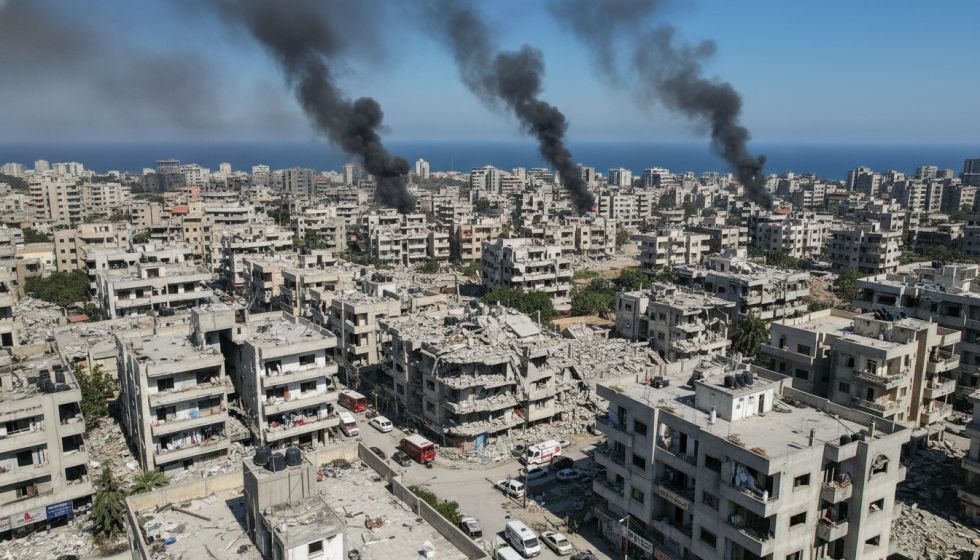
Air Strikes in Southern Lebanon: What Happened
Explosions were reported across several locations in southern Lebanon as aircraft hit multiple targets in quick succession. In a briefing carried Reuters, the Lebanese health ministry said the latest Israeli air strikes killed 22 people, and it released a running tally as hospitals reported arrivals. Today, residents described sustained blasts and damaged roads that slowed ambulances moving between villages and larger medical centers. Live monitoring local civil defense teams focused on secondary fires and the risk of additional strikes near response routes. Officials said assessments were continuing and that an Update would follow once all field units reported in.
Casualties and Humanitarian Impact
Hospitals in the south and in the Beirut area reported an influx of wounded, and emergency wards extended triage hours to handle the surge. The Lebanese health ministry, cited Reuters, said the death toll from the Israeli air strikes reached 22, while casualty verification continued at morgues and clinics. Live coordination calls between ambulance services emphasized moving patients before darkness, and Today several municipalities appealed for blood donations and fuel for generators. UN peacekeepers have also warned that drone incidents near their positions, as detailed UN News coverage on UNIFIL drone incidents, raise risks for personnel. An Update on hospital capacity was expected after night rounds.
International Reactions to the Strikes
Diplomatic messaging centered on de escalation and protection of civilians, with officials weighing public statements against private contacts. In comments reported Reuters, Lebanese officials urged international pressure to halt attacks, while Israeli officials defended operations as security related without providing detailed targeting data. Today, humanitarian agencies stressed safe passage for medical teams, and Live briefings highlighted the need to keep transport corridors open for evacuations. A separate signal from faith leaders focused on peacemaking, echoed in Pope Leo XIV Backs Ecumenical Push for Peace as mediation efforts expanded beyond the region. An Update on any formal UN Security Council discussion was pending.
Historical Context of Israeli-Lebanese Conflicts
The latest violence lands in a long running Lebanon conflict shaped cross border exchanges, air activity, and cycles of retaliation that repeatedly stress civilian infrastructure. Analysts link the current tempo to wider Middle East tensions, including fears that parallel crises could escalate and draw in additional fronts. In recent months, references to israeli air strikes on iran and Beirut attacks have circulated in regional political debate, reinforcing anxieties about spillover and miscalculation. For a business lens on how war risks ripple through sanctions and supply chains, see Tracking Companies Cashing In on Iran War Profits. Today, Live watch centers framed the moment as unusually fragile, and an Update could arrive quickly if the border line shifts.
Future Implications for Middle East Peace
Policy makers are now measuring how the latest casualties will affect ceasefire diplomacy, border security talks, and the appetite for restraint on all sides. Humanitarian officials say the immediate priority is stabilizing clinics, restoring power, and ensuring medical supply deliveries, before any political track can gain traction. Today, negotiators monitoring Live channels have focused on limiting further escalation while keeping communications open between intermediaries. The Israeli air strikes, as described Lebanese health officials and reported Reuters, add pressure to regional partners to define clearer red lines and verification mechanisms. An Update from Lebanese authorities on damage assessments and displaced families is expected after daylight surveys conclude.