The Iran Conflict: Oil’s Wild Ride
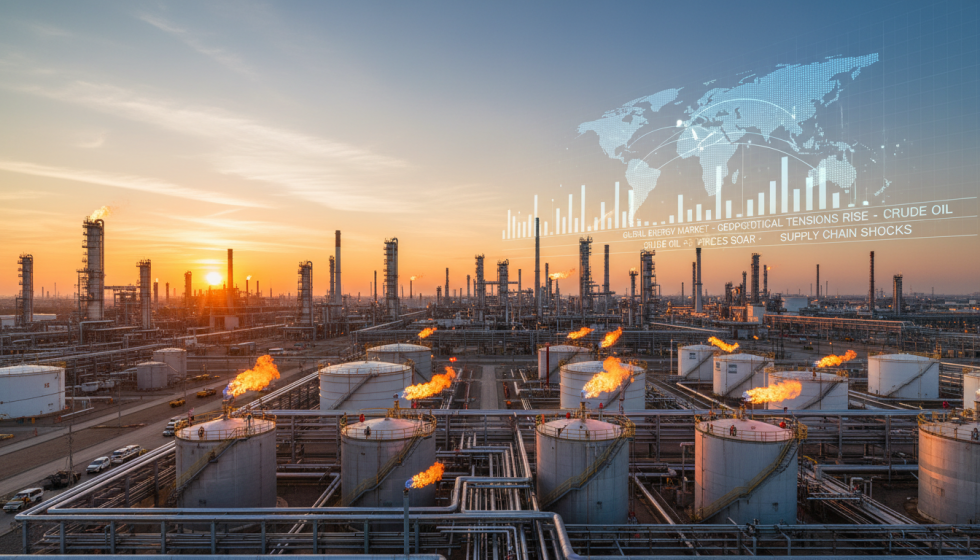
Traders are giving the crude markets a proper re-evaluation as the Iran conflict sends jitters through shipping security and regional supply chains. The first domino to fall is the risk premium: any whiff of danger in Gulf transit routes has refiners and investors splurging on prompt barrels. Live market reactions push that premium sky-high, escalating option costs and widening intraday ranges. Hedging? Forget it. Airlines and heavy industry are biting the bullet. The International Energy Agency has hammered home how the Strait of Hormuz is a vital choke point for global oil flow, which only cranks up the sensitivity to the latest updates from the region. Futures curves can tilt upward, rewarding near-term inventories while sending prices on a rollercoaster.
Shell’s Profits Amid Chaos
Shell’s reaping the benefits like a cat in a creamery, as higher crude and gas benchmarks inflate realized selling prices and trading margins. Investors are all eyes and ears during this earnings cycle, keen to see how swiftly upstream cash flow reacts when oil prices soar. Downstream performance? It lags behind, thanks to fluctuating fuel demand and those pesky refinery outages. The BBC has done a cracking job detailing this dynamic in their coverage of Shell’s results and market drivers. No wonder the phrase Shell profits surge is now shorthand for the latest energy equity updates.
The Ripple Effect on Global Economies
The fallout, however, stretches far beyond boardrooms. Importing economies are feeling the heat, staring down the barrel of inflated headlines, while governments ponder how to ease burdens on households. The IMF’s been banging the drum about energy price spikes tightening financial conditions, forcing central banks to keep interest rates higher for longer, even as growth slows to a crawl. This tension is writ large in currency fluctuations for oil importers and the recalibration of airline and logistics costs. And don’t get me started on the political optics, where rising profits ignite calls for windfall taxes and tighter scrutiny on trading gains. For a taste of how policy debates can sink into economic oversight, check out the Bank of Portugal’s conduct scrutiny in parliament, which puts transparency on a pedestal.
Energy Giants and Market Whirlwinds
Energy stocks have a reputation for being defensive, but don’t let that fool you—volatility is the name of the game for integrated majors, especially when geopolitics send oil prices and refining spreads on a mad dash. The ongoing issue is that daily fluctuations in crude, diesel cracks, and LNG benchmarks don’t always sync up. So, quarterly results? They can be all over the place, thanks to timing, hedges, and trading practices. As the BBC has continuously reported, corporate guidance is now couched in ranges instead of specific forecasts. Uncertainty looms large, shifting how executives talk about risk. With the narrative around Shell profits surge, things can change on a dime if prices take a nosedive, even if operations remain sound. Investors are glued to cash conversion, buybacks, and dividend strategy more than just headline figures.
The Future: Betting on Oil
Companies are hitting the reset button on short-term planning. They’re weighing capital discipline against the urge to grab high margins while prices hold firm. The International Energy Agency’s reports are clear: demand growth is grappling with efficiency and electrification, but supply risks still rule the Live pricing landscape every quarter. Regulators and investors are pushing firms to prove resilience, showcasing that projects can weather both market drops and sudden spikes. For Shell, the spotlight on Shell profits surge will likely come hand-in-hand with scrutiny regarding how cash is distributed—between pleasing shareholders and investing for the long haul. The next big question? Will shipping risks calm down, compressing the risk premium and revealing just how much of the recent boost was driven geopolitical drama versus solid fundamentals?