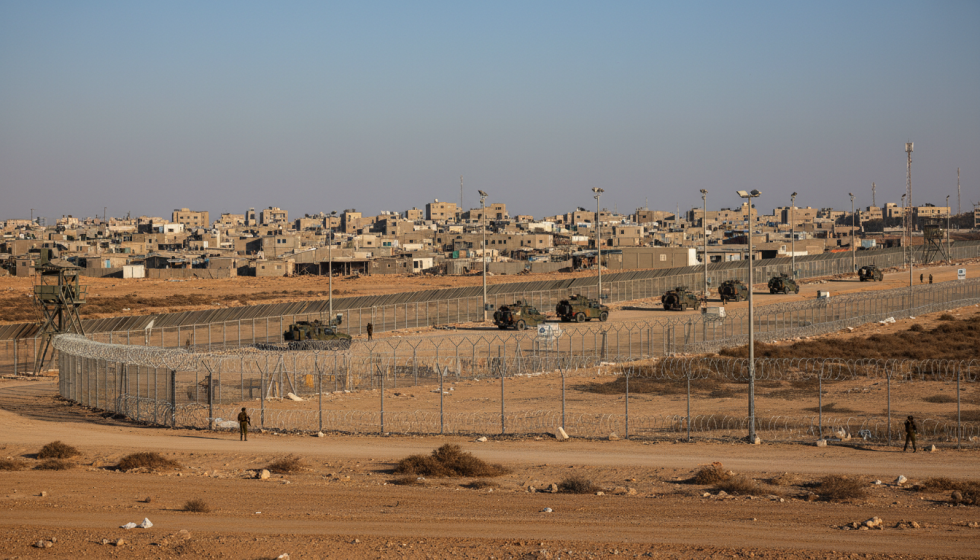
Negotiation Stalemate Deepens
Another round of talks wrapped up in disarray, with no sign of progress on disarmament, prisoner swaps, or border deals. Both sides stepped up the rhetoric, making it clear they’re ready to escalate if this drags on. Israeli and Hamas officials have framed the situation as life-or-death, tightening their grips on key issues like verification and timelines. The gaza israel conflict is morphing into a rolling crisis, where each day without a solution cranks up the chances of significant violence returning. Humanitarian coordinators are now switching gears from hoping for de-escalation to scrambling for contingency plans.
Regional Implications of Conflict
Tensions in the Middle East are bubbling over, with neighbouring nations fretting about how a fresh outbreak could trigger border skirmishes, maritime chaos, and proxy wars. The United Nations is ringing alarm bells, insisting that consistent humanitarian access is crucial, and linking movement restrictions to wider instability. A recent UN report on Gaza’s struggles emphasises that delivering aid and ensuring safe passage are at the heart of any viable political strategy. Meanwhile, faith-based diplomacy is attempting to keep the spotlight on protecting civilians, featuring stories like the Pope’s hopeful message to Gaza. Another update from regional capitals made it clear—risk assessments now include the heightened chances of escalation.
Israel’s Preparations and Strategy
Israeli officials are waving their readiness measures around like a diploma to bolster their negotiating position, stressing that lasting peace hinges on curbing rearmament. Government statements, delivered live, have underscored a need for operational flexibility—think expanded intelligence and a beefed-up reserve posture—while keeping specifics under wraps. The debate within Israel about the war has shifted to what’s actually verifiable and whom, with disputes emerging over monitoring protocols and border control. This has framed the gaza israel conflict as a long-term test of deterrence rather than a mere squabble. Public pressure from displaced communities is amplifying this narrative, with ministers carefully tailoring updates to match domestic security expectations.
Hamas’ Position and Demands
Hamas isn’t budging either. They’re tying any disarmament talk to demands for a solid ceasefire, guarantees for reconstruction, and conditions that end siege-like situations, flatly rejecting anything that sounds like a permanent power grab. Their public messaging has been laser-focused on detainee issues, easing border crossings, and demanding international guarantees, insisting any security measures must be reciprocal. Essentially, the israel and gaza conflict has devolved into a tug-of-war over enforcement. Hamas has made it clear: monitoring mechanisms should stop renewed strikes and weapons transfers. Mediators have shared that the crux of the issue is whether disarmament should come before or after political and economic commitments. Aid agencies are now chanting a warning—every stalled day makes it harder to keep basic services afloat, a prerequisite for any credible agreement.
International Reactions and Mediation Efforts
Diplomats from the United States, Egypt, and Qatar are still trying to shuttle between parties, while the UN clings to its humanitarian and legal obligations amid ongoing military posturing. A recent UN human rights statement underscored that delivering aid is a protected activity as mediators search for actual steps that can defuse tensions. European governments are calling for restraint while pushing for monitoring arrangements that can be both verified and practical, rather than just for show. The gaza israel conflict remains the epicenter of these efforts since any collapse would quickly turn regional security strategies upside down. Envoys are now prioritising narrow confidence-building measures, with every update scrutinised for its potential to reduce the likelihood of a full-scale resurgence in combat.