Trump’s Plan: Control and Charge at Hormuz
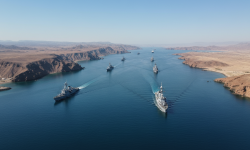
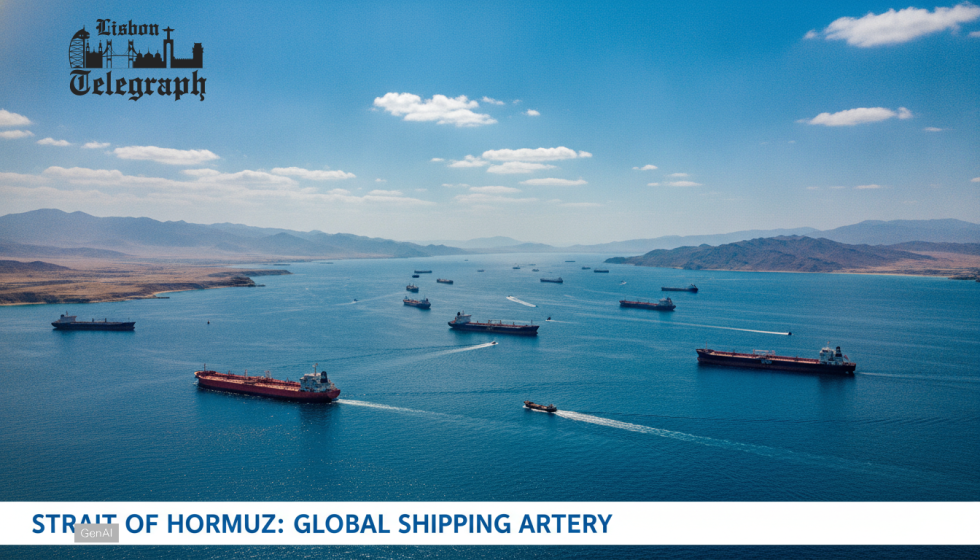
Former US president Donald Trump is floating the idea that the US could become the “guardian” of the Strait of Hormuz, suggesting a 20% cargo charge at this pivotal chokepoint. Portuguese media paints this as a power move, turning naval presence into a toll-taking mission. This so-called trump strait of hormuz blockade hints at a shift from simple deterrence to a money-making machine. The UN, not too thrilled, continues to call for de-escalation, fearing maritime tensions might explode into larger conflicts that mess with shipping contracts.
The 20% Charge: How It Might Pan Out
If this proposal sees the light of day, it could mess with costs—especially for high-value goods—bringing more headaches for energy shipments, say trade analysts. As reported the UN News service, tensions are high, with calls for Iran and the US to chill out and chat. Shippers are left guessing whether this fee is a declaration gimmick, a discharge duty, or a sneaky indirect cost through insurance or financing. Market players are on the lookout for any deal that pins the fee to security promises or political games, as some have speculated.
Legal and Trade Reactions
Trump’s toll idea would likely rile up trading partners, who depend on stable maritime rules, say trade lawyers. With Portugal economy news warning of regional shocks raising risk premiums, legal eagles note that such costs can seem like sanctions aimed at squeezing specific states. Meanwhile, maritime watchers are keeping a close eye on strait cables, crucial for keeping ship tracking and commerce humming amid cyber threats. Geopolitical risk appetite—hinted at Holy See Africa support—can skew priorities when chaos reigns.
Impact on Shipping and Energy Markets
Shipping firms are bracing for potential route changes, fresh contracts, and higher fees. Escalation headlines might create spreads and affect insurance costs, traders warn. Even with movement, the Strait’s disruptions could throw crew rotations and port logistics into chaos, per maritime insiders. Main oil routes through Hormuz mean any new costs could ripple through inflation rates, analysts argue. Curious about local risk impacts? Check out German tax reforms for insights into fiscal debates under pressure.
Security Concerns and The Road Ahead
This toll talk suggests controlling the Strait could sway foes and friends alike, especially with energy, cargo, and military vessels overlapping, note security pros. If it’s seen as enforcement, the trump strait of hormuz blockade might be less about blocking and more about pay-to-play, stirring up sovereignty debates under global norms. As highlighted UN officials, loss of oversight on Iran’s nuclear program is a warning signal in Security Council briefings. Risk models tie diplomatic calm to maritime insurance decisions, so any fee might just be priced out swiftly, insiders suggest.